
Airtable AI
Build and customize databases and apps without coding, automating workflows to boost organization and productivity. Ideal for teams and individuals seeking to streamline processes. Free version available with optional paid upgrades.
Airtable AI — official website
Imagine you’re a project manager tasked with coordinating a vast array of teams and data sources. You’re juggling between different tools for task management, communication, and reporting, which leads to lost time and errors in data entry. The need to integrate data from various sources into a single, efficient workflow becomes critical. You start searching for a no-code platform to streamline these processes, aiming for a tool that allows customization without needing a technical background. This is when you discover Airtable’s AI capabilities promising to unify your data and workflows seamlessly.
Airtable excels in building custom business applications without requiring coding skills. One of its highlighted capabilities is AI Agents, which allows you to deploy thousands of agents within your apps. This means you can automate complex tasks across large datasets, orchestrating actions seamlessly. You input your operational workflows into Airtable, and the AI Agents dynamically manage tasks such as data synchronization or ticket management across your organization, improving efficiency and reducing manual overhead based on the tool’s own marketing.
Key Features
- AI App Building — Enables teams to create custom business apps without coding, crucial for non-technical users needing tailored solutions.
- AI Agents — Deploys thousands of agents within apps to automate and orchestrate complex workflows, essential for handling large datasets efficiently.
- Integrations — Seamlessly connects with tools like Slack, Google Drive, and Salesforce, making it easier to integrate existing data and workflows.
Pros & Cons
- ✓ Strong integration capabilities with major tools like Slack and Google Drive, supporting comprehensive workflow automation.
- ✓ Scalability with the ability to handle up to 100 million records, suited for enterprise needs.
- ✓ No-code app building allows users without technical expertise to create sophisticated applications.
- ✗ Pricing is per seat, which can become costly for large teams needing full access.
- ✗ The website doesn’t specify details about the free plan’s limitations, which could be restrictive for some users.
While Airtable is a robust tool for building custom AI workflows, it might frustrate users in need of detailed pricing transparency, especially those with large teams. The pricing is based on the number of users with edit permissions, which can quickly escalate costs for expanding teams. This model might not suit small businesses or startups that need to keep costs predictable and under control as they scale their operations.
Compared to Notion, which offers a more flexible all-in-one workspace for knowledge management and task tracking, Airtable stands out for its automation and data handling capabilities. Notion users looking for advanced automation might find Airtable more suitable. Conversely, users seeking a more affordable and straightforward project management tool might lean towards Trello, which offers intuitive board-based task management but lacks the deep data integration of Airtable.
Best For
Airtable is ideal for medium to large enterprises or project managers who need to build customized workflows with robust data handling and automation capabilities. It’s particularly well-suited for teams using multiple data sources who can benefit from Airtable’s integration capabilities. The pricing model, while flexible, is best suited for teams who can afford per-seat charges.
Airtable is worth it for enterprises and project managers seeking to integrate and automate complex workflows without coding. It provides a scalable platform with extensive integration options and AI capabilities. If you’re looking to unify your business processes and data management, Airtable offers a compelling solution.
This review is based on publicly available information from the tool's official website and is written independently by the theWebrary editorial team. We do not accept payment for review content.
Share
Tool Overview
Latest Featured


Browse More Tools
View all
Time Overlay
AI Image GenerationGenerate transparent countdown timer overlays for video editing projects with Time Overlay. This tool allows users to customize duration, style, and position before exporting in formats like PNG or WebM. It’s available for free, making it accessible for content creators and editors.
Yume Comic
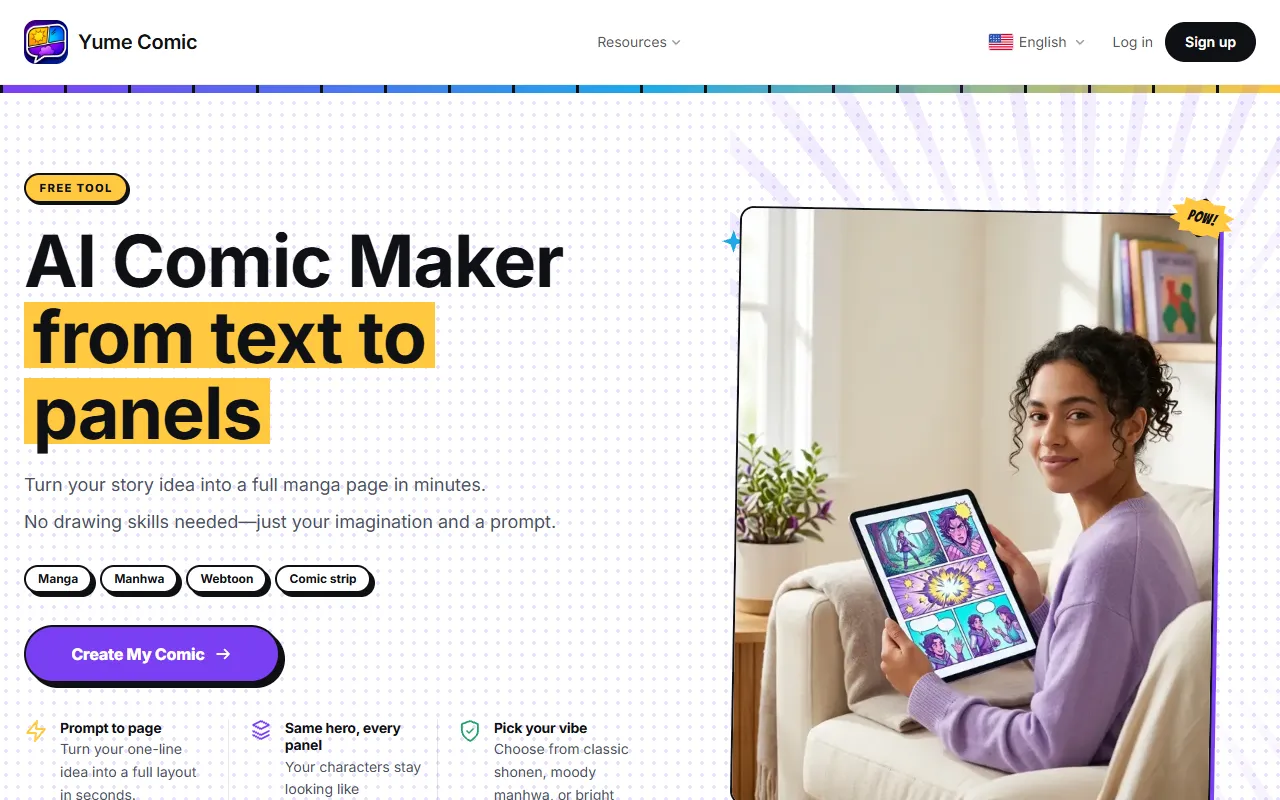
AI Image GenerationCreate manga, webtoons, and cartoon panels from text or images in just seconds. Ideal for storytellers without drawing skills, Yume Comic enables users to bring their ideas to life with a free tier and optional paid upgrades.
Hubfluence
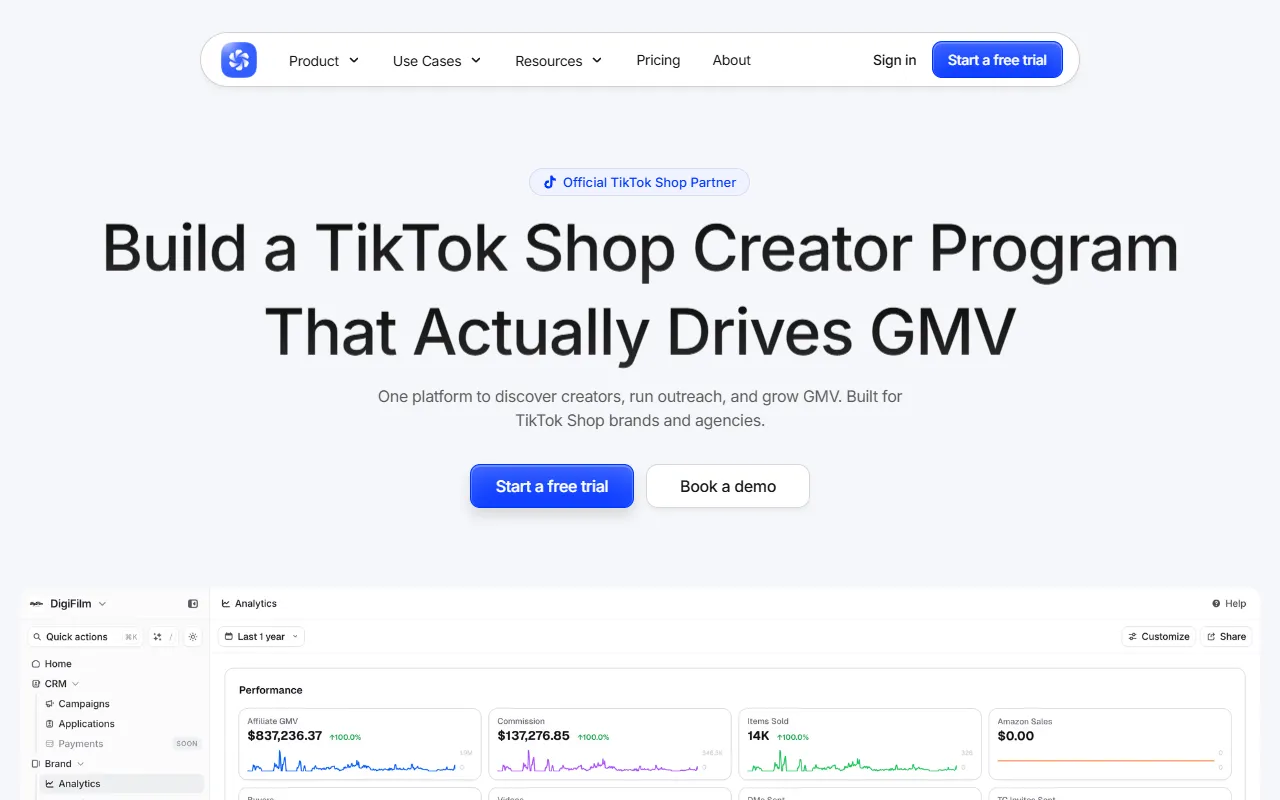
AI MarketingAutomates outreach and management for TikTok Shop brands and agencies by connecting them with creators to drive sales. Users can access a database of over 4 million creators to find the best partnerships. Free to start with options for paid upgrades.
Combos AI: Turn Text into Gmae with AI Free Online – No coding & No Sign-up
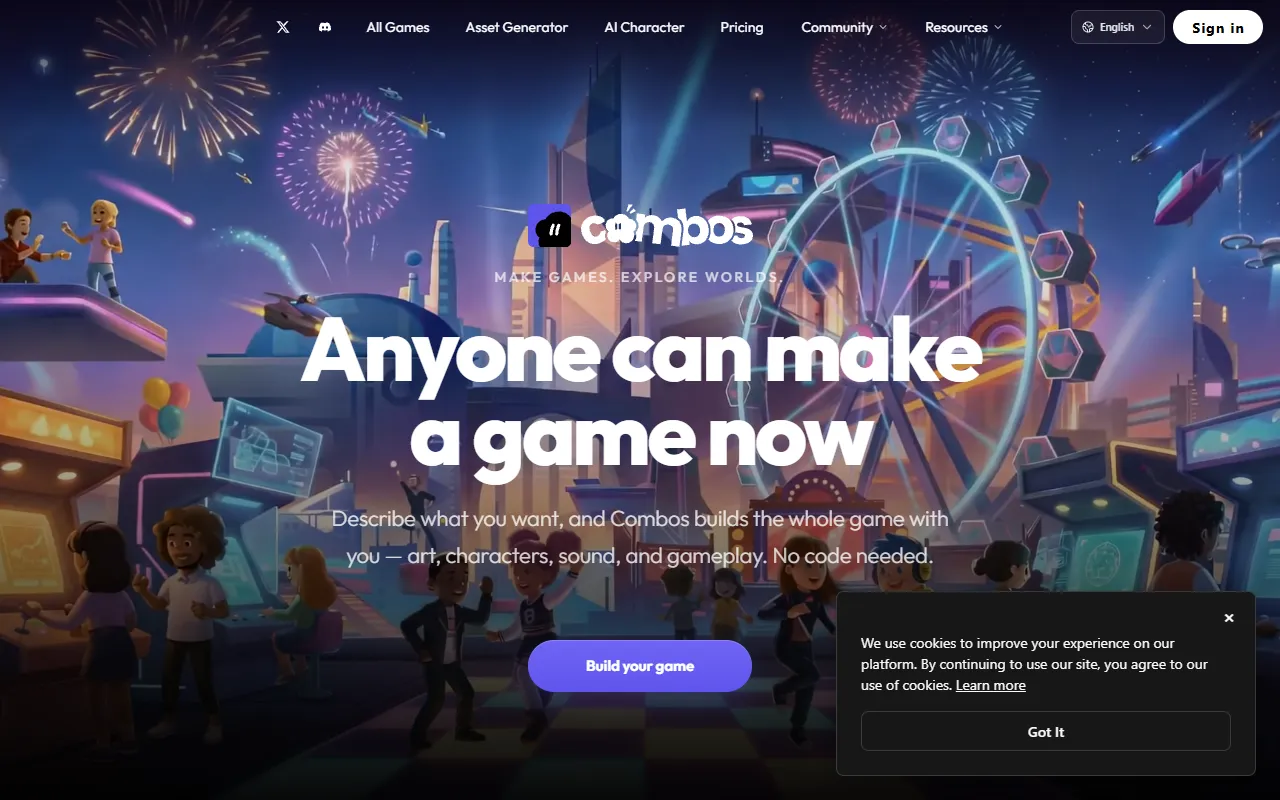
AI ProductivityTurn text into games effortlessly with Combos, an AI-driven platform for game development. Designed for creators of all skill levels, it requires no coding or sign-up, making game creation accessible and free.
Instagram Email Scraper
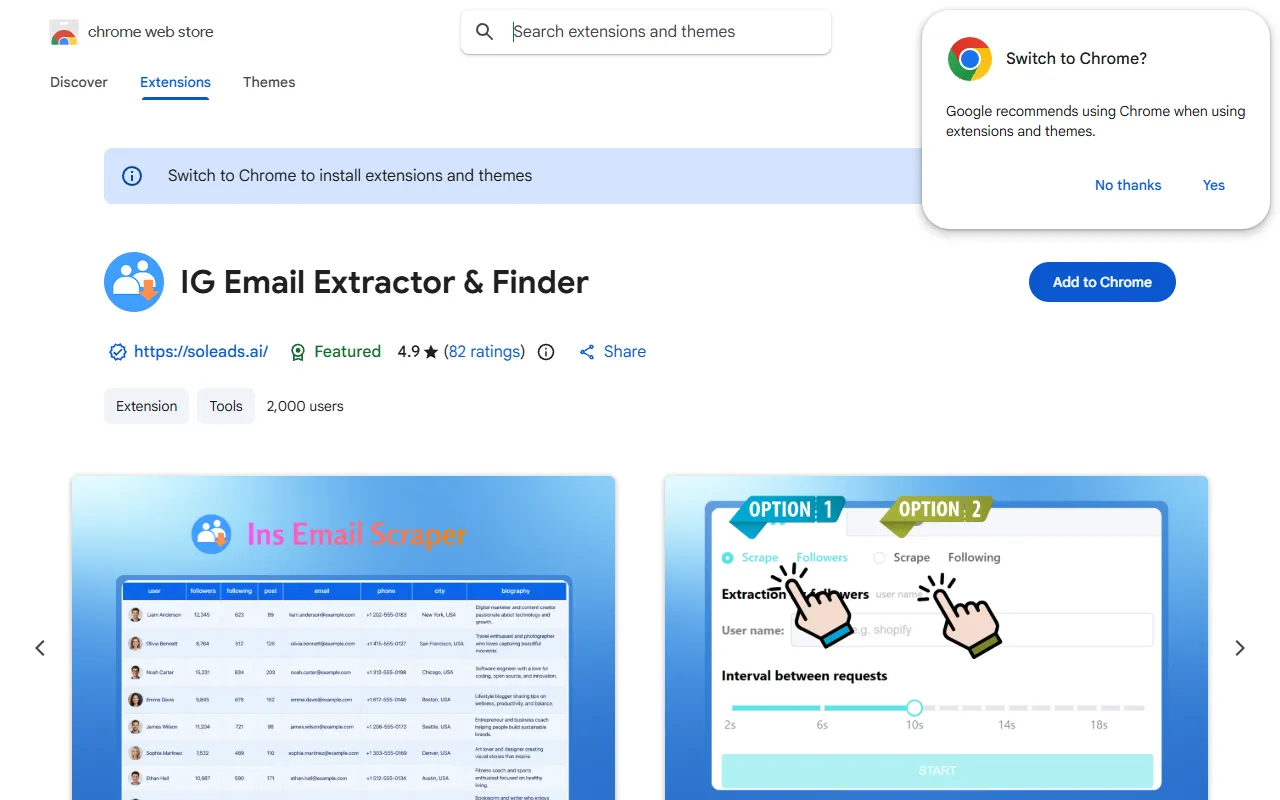
AI Customer SupportExtracts emails and phone numbers from Instagram followers and those followed, exporting the data to Excel or CSV formats with a single click. Ideal for businesses looking to enhance their outreach efforts. Free to use with options for paid upgrades.

CustomTattoo AI
AI Image GenerationGenerate unique tattoo designs and visualize them on your own skin before getting inked. Ideal for anyone considering a tattoo, it offers 3 free credits to start, with additional paid upgrades available.
Get Your AI Tool
In Front of Thousands
Join hundreds of AI tools already featured on theWebrary. Get priority placement, a dedicated listing page, and reach an audience actively searching for AI tools.
1 Month
$5
$6
3 Months
$10
Save 50%
12 Months
$20
Save 75%