
Lunit
Analyzes medical images to detect cancer in X-rays and pathology slides. Designed for oncology and radiology professionals seeking to enhance diagnostic accuracy. Subscription-based pricing available.
Lunit — official website
Imagine you’re a radiologist overwhelmed by the sheer volume of images that need to be reviewed daily. With the added pressure of ensuring accurate diagnoses for early cancer detection, you’re on the lookout for a tool that can enhance your efficiency without compromising accuracy. That’s where medical AI software can make a real difference. You need a solution that integrates seamlessly into your existing workflow and provides actionable insights, allowing you to make informed decisions quickly and confidently.
Lunit is designed to enhance cancer detection and precision oncology. One notable workflow involves its AI radiology platform. For instance, using the Lunit INSIGHT MMG (2D) feature for mammography, you upload mammogram images, and the AI analyzes them to detect potential signs of breast cancer. The tool offers a density assessment and risk pathways, providing you with a comprehensive view of the patient’s condition. This capability is grounded in the tool’s own marketing, emphasizing its role in improving diagnostic accuracy and efficiency.
Key Features
- Lunit INSIGHT MMG (2D) — Analyzes 2D mammogram images, enhancing early breast cancer detection for radiologists.
- Lunit INSIGHT CXR — Assesses chest X-rays for abnormalities, aiding in faster and more accurate diagnostics.
- Lunit SCOPE IO — Provides tumor microenvironment analysis for precision oncology, supporting personalized treatment plans.
Pros & Cons
- ✓ Helps detect cancers early through AI-driven analysis, enhancing diagnostic accuracy.
- ✓ Supports precision oncology with detailed biomarker insights.
- ✓ Integrated workflow for radiology and oncology professionals.
- ✗ Pricing information is not specified on the website, which might be a concern for budget-conscious users.
- ✗ Lack of specific details on integration with existing medical systems.
For small clinics or individual radiologists without a dedicated IT team, Lunit might pose challenges. The website doesn’t specify whether the software requires specific hardware or IT infrastructure, potentially causing frustration if additional resources are needed for setup. Additionally, without clear pricing details, budgeting becomes difficult. Users who need transparent cost structures might find this lack of information a dealbreaker, especially if they are assessing multiple tools.
Comparatively, Lunit competes with solutions like Zebra Medical Vision, which also offers AI-driven radiology insights. Zebra Medical Vision might appeal to users needing a broader range of diagnostic tools beyond cancer detection. However, for those specifically focused on cancer care, Lunit’s specialized features in mammography and oncology could be more advantageous. It’s crucial to evaluate these distinctions in alignment with your specific needs and budget constraints.
Best For
Lunit is best suited for medium to large healthcare facilities with a dedicated oncology department. Its advanced cancer detection and precision oncology features make it ideal for teams focused on improving diagnostic accuracy and treatment outcomes. Given that the pricing model isn’t clarified, potential users should be prepared to engage with sales teams to understand costs and integration requirements fully.
For radiologists and oncology professionals aiming to enhance diagnostic accuracy and streamline cancer care, Lunit offers a compelling suite of AI tools. The software’s specialized focus on early detection and precision oncology makes it a valuable asset for healthcare organizations committed to combating cancer effectively. Lunit is recommended for institutions looking to integrate AI into their cancer care workflows for improved patient outcomes.
This review is based on publicly available information from the tool's official website and is written independently by the theWebrary editorial team. We do not accept payment for review content.
Share
Tool Overview
Latest Featured


Browse More Tools
View all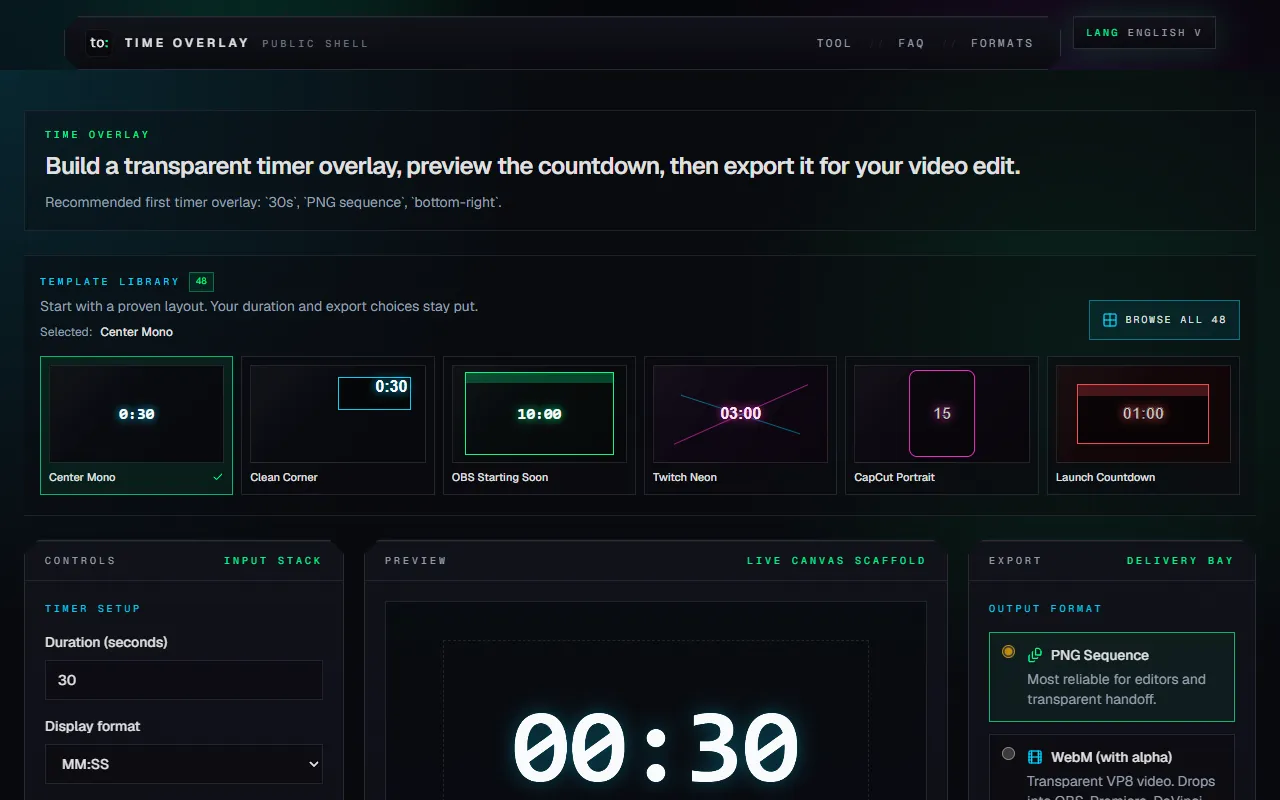
Time Overlay
AI Image GenerationGenerate transparent countdown timer overlays for video editing projects with Time Overlay. This tool allows users to customize duration, style, and position before exporting in formats like PNG or WebM. It’s available for free, making it accessible for content creators and editors.

Yume Comic
AI Image GenerationCreate manga, webtoons, and cartoon panels from text or images in just seconds. Ideal for storytellers without drawing skills, Yume Comic enables users to bring their ideas to life with a free tier and optional paid upgrades.
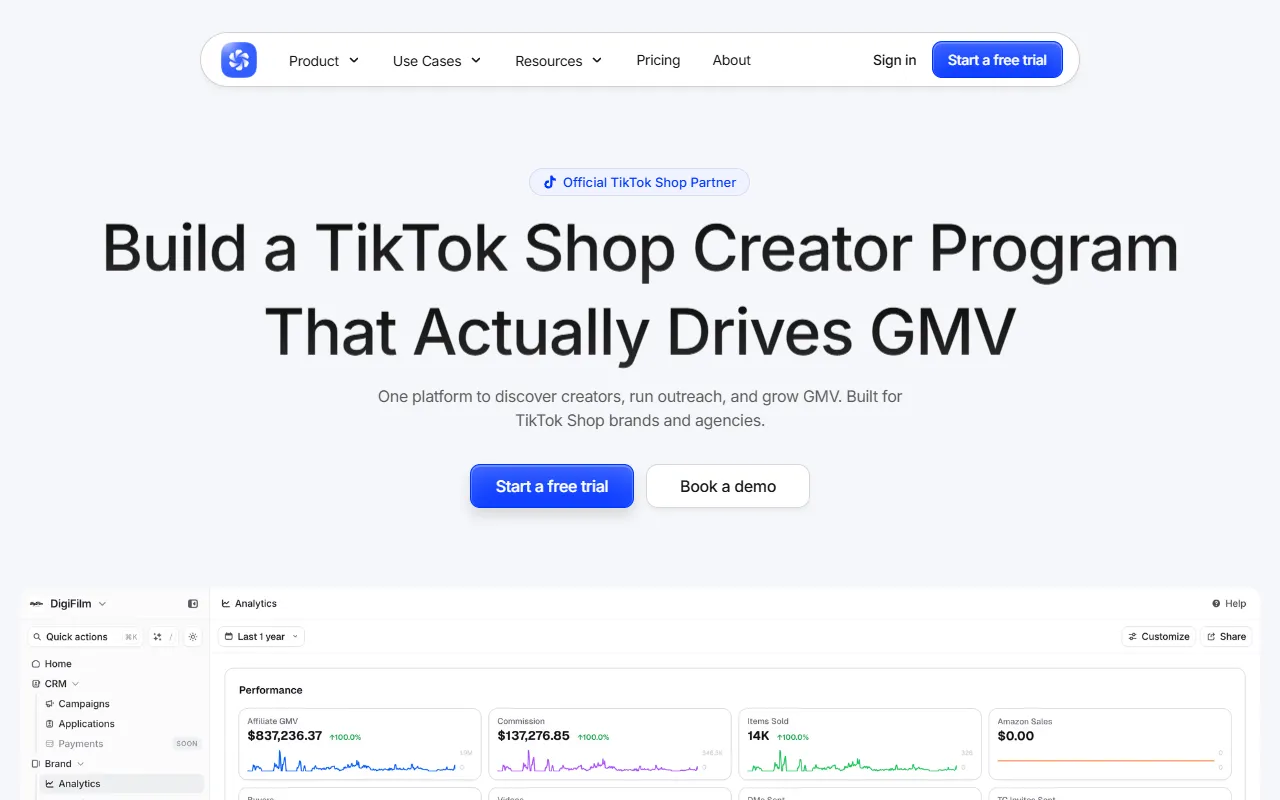
Hubfluence
AI MarketingAutomates outreach and management for TikTok Shop brands and agencies by connecting them with creators to drive sales. Users can access a database of over 4 million creators to find the best partnerships. Free to start with options for paid upgrades.

Combos AI: Turn Text into Gmae with AI Free Online – No coding & No Sign-up
AI ProductivityTurn text into games effortlessly with Combos, an AI-driven platform for game development. Designed for creators of all skill levels, it requires no coding or sign-up, making game creation accessible and free.
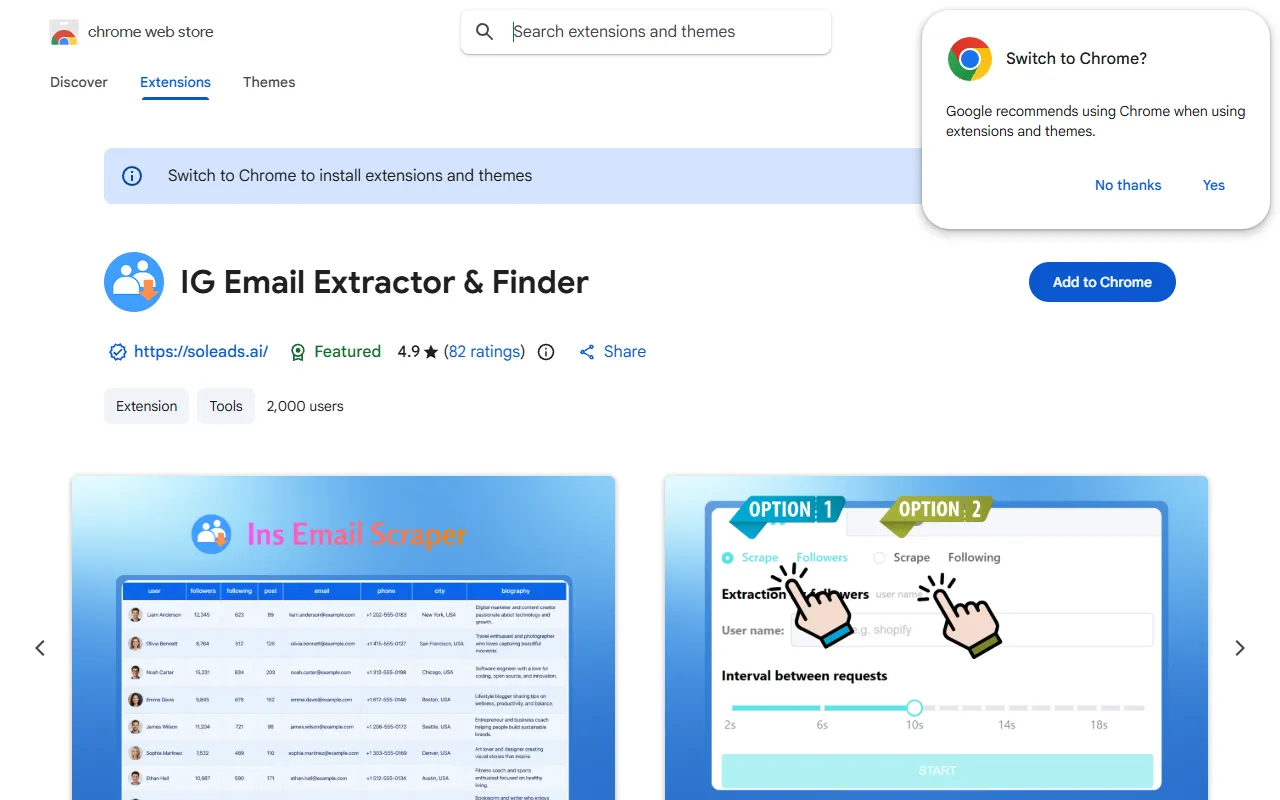
Instagram Email Scraper
AI Customer SupportExtracts emails and phone numbers from Instagram followers and those followed, exporting the data to Excel or CSV formats with a single click. Ideal for businesses looking to enhance their outreach efforts. Free to use with options for paid upgrades.
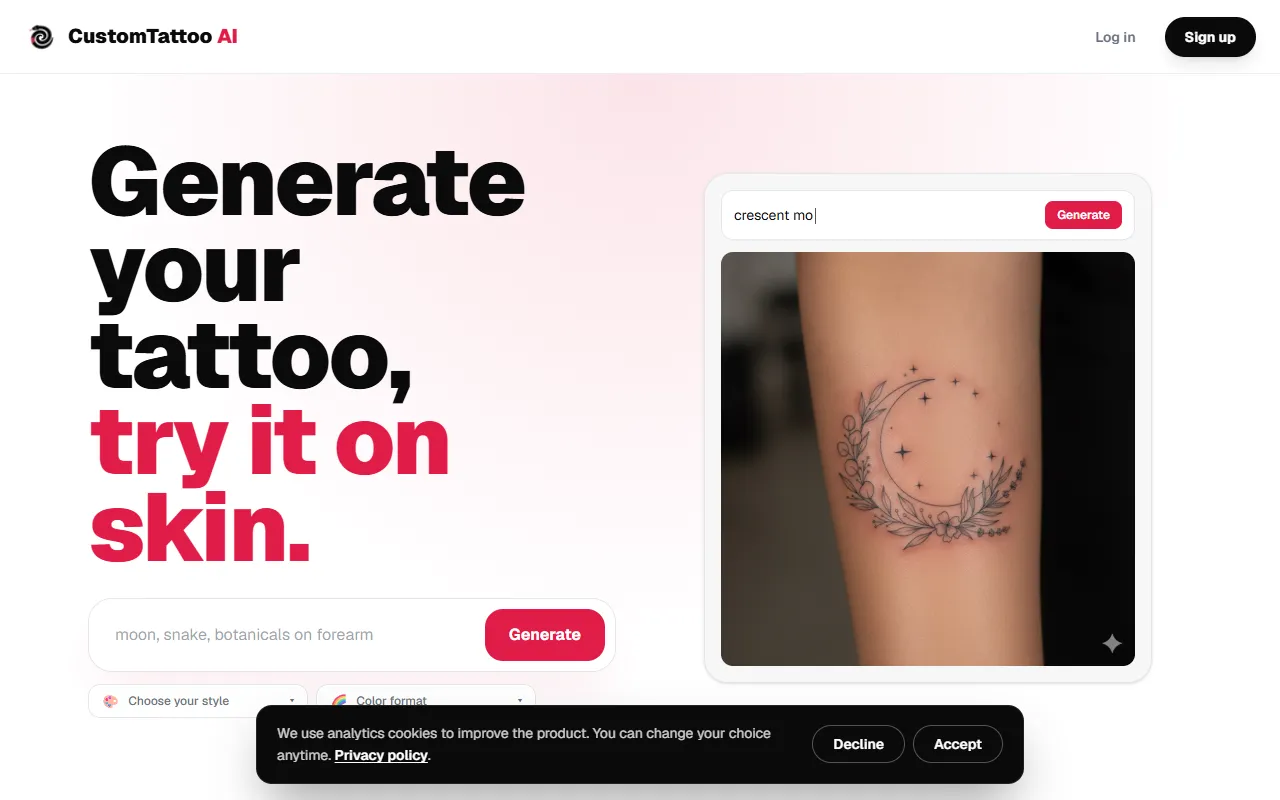
CustomTattoo AI
AI Image GenerationGenerate unique tattoo designs and visualize them on your own skin before getting inked. Ideal for anyone considering a tattoo, it offers 3 free credits to start, with additional paid upgrades available.
Get Your AI Tool
In Front of Thousands
Join hundreds of AI tools already featured on theWebrary. Get priority placement, a dedicated listing page, and reach an audience actively searching for AI tools.
1 Month
$5
$6
3 Months
$10
Save 50%
12 Months
$20
Save 75%