
zoer
Builds and deploys live applications instantly with an AI-powered backend and copilot support. Ideal for creators looking to monetize their projects, with no costs for users.
zoer — official website
For many aspiring entrepreneurs and small business owners, the journey from idea to a fully functional web application often feels like an insurmountable challenge. They have a vision but lack the technical skills or resources to bring it to life. Traditional software development can be expensive and time-consuming, making it inaccessible for those who are just starting out. This is where Zoer steps in, offering an AI-powered platform that promises to turn ideas into full applications without the need for coding or design expertise. It’s an enticing prospect for anyone who’s ever felt stuck because they couldn’t translate their concept into a working product.
One of the standout features of Zoer is its ability to transform database schemas into real web apps quickly. This means you can start with your existing database, and Zoer’s AI will automatically generate a web application around it, complete with a frontend interface and backend logic. The process is as simple as describing your idea, and the AI handles the rest, creating a professional application ready for deployment. For a small business owner looking to launch an app without technical hurdles, this capability is invaluable. The ability to include user authentication and integrate with Stripe for payments means you can have a fully operational app without writing a single line of code.
However, Zoer isn’t without its limitations. While it excels at simplifying the development process, it doesn’t offer detailed customization options for those who want more control over their app’s functionality beyond what’s automatically generated. This could be a drawback for users who need specific features or custom workflows that aren’t part of Zoer’s standard offerings. Moreover, the platform’s documentation doesn’t clearly outline advanced capabilities, which might leave technically inclined users wanting more flexibility or transparency in what they can achieve.
When considering alternatives, Zoer competes with tools like Bubble and Webflow, which also offer no-code app building but with different focuses. Bubble provides more customization for complex app logic, which might appeal to users with specific technical needs. Webflow, on the other hand, is geared more towards web design with some support for app functionality. Zoer is ideal for those who prioritize ease and speed in launching a complete application without diving into the technical weeds, whereas someone looking for deeper customization might lean towards Bubble or Webflow.
In conclusion, Zoer is an excellent choice for non-technical entrepreneurs and small business owners who need a quick, cost-free way to develop functional web applications. Its AI-driven approach simplifies the app-building process and makes it accessible to users with little to no coding experience. For those who want to get their idea off the ground without the usual technical hurdles, Zoer provides a compelling solution.
This review is based on publicly available information from the tool's official website and is written independently by the theWebrary editorial team. We do not accept payment for review content.
Share
Tool Overview
Latest Featured


Browse More Tools
View all
Time Overlay
AI Image GenerationGenerate transparent countdown timer overlays for video editing projects with Time Overlay. This tool allows users to customize duration, style, and position before exporting in formats like PNG or WebM. It’s available for free, making it accessible for content creators and editors.
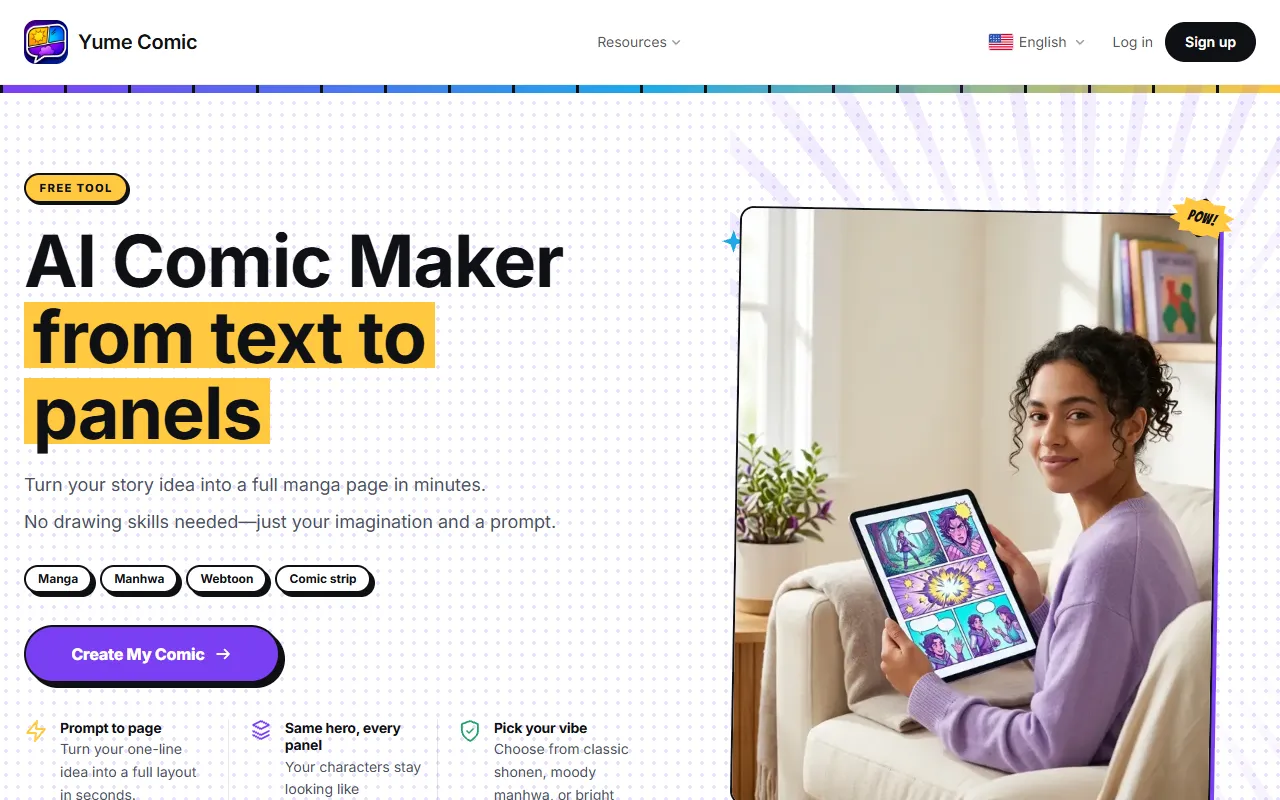
Yume Comic
AI Image GenerationCreate manga, webtoons, and cartoon panels from text or images in just seconds. Ideal for storytellers without drawing skills, Yume Comic enables users to bring their ideas to life with a free tier and optional paid upgrades.
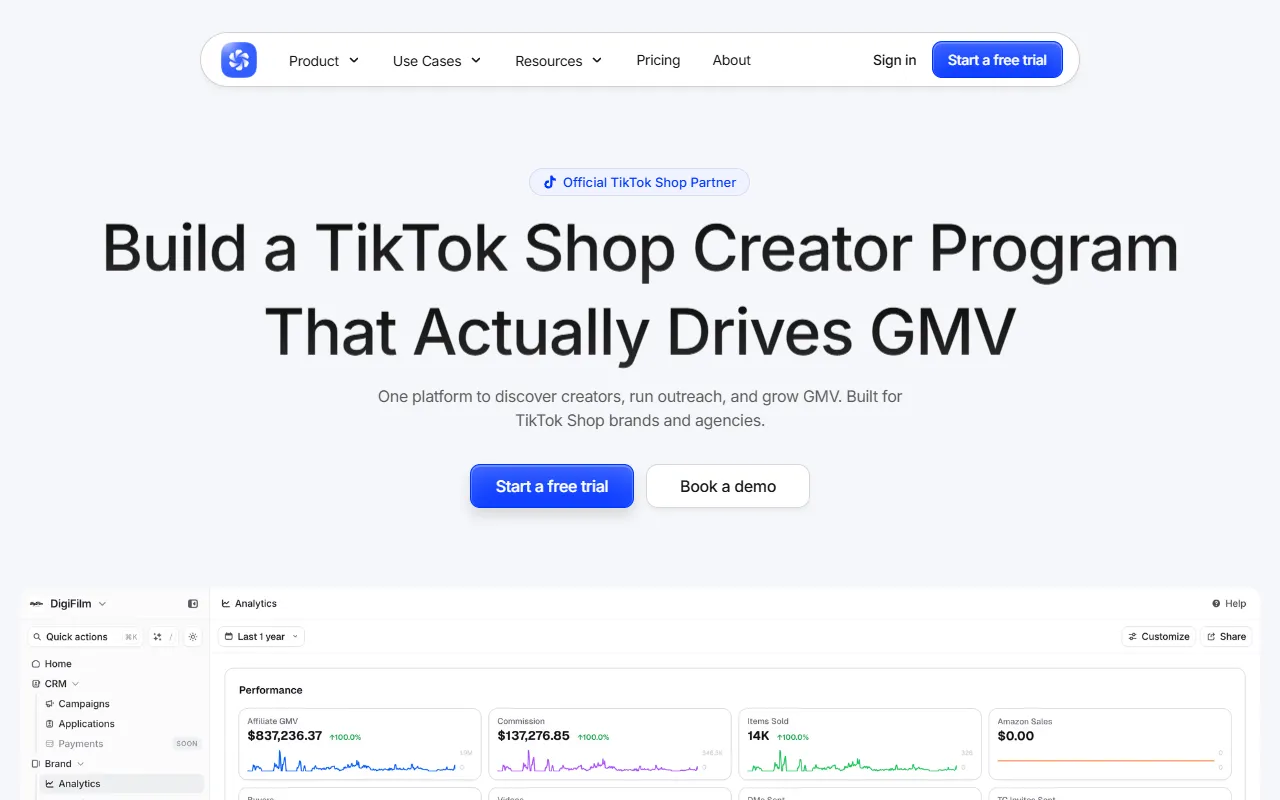
Hubfluence
AI MarketingAutomates outreach and management for TikTok Shop brands and agencies by connecting them with creators to drive sales. Users can access a database of over 4 million creators to find the best partnerships. Free to start with options for paid upgrades.
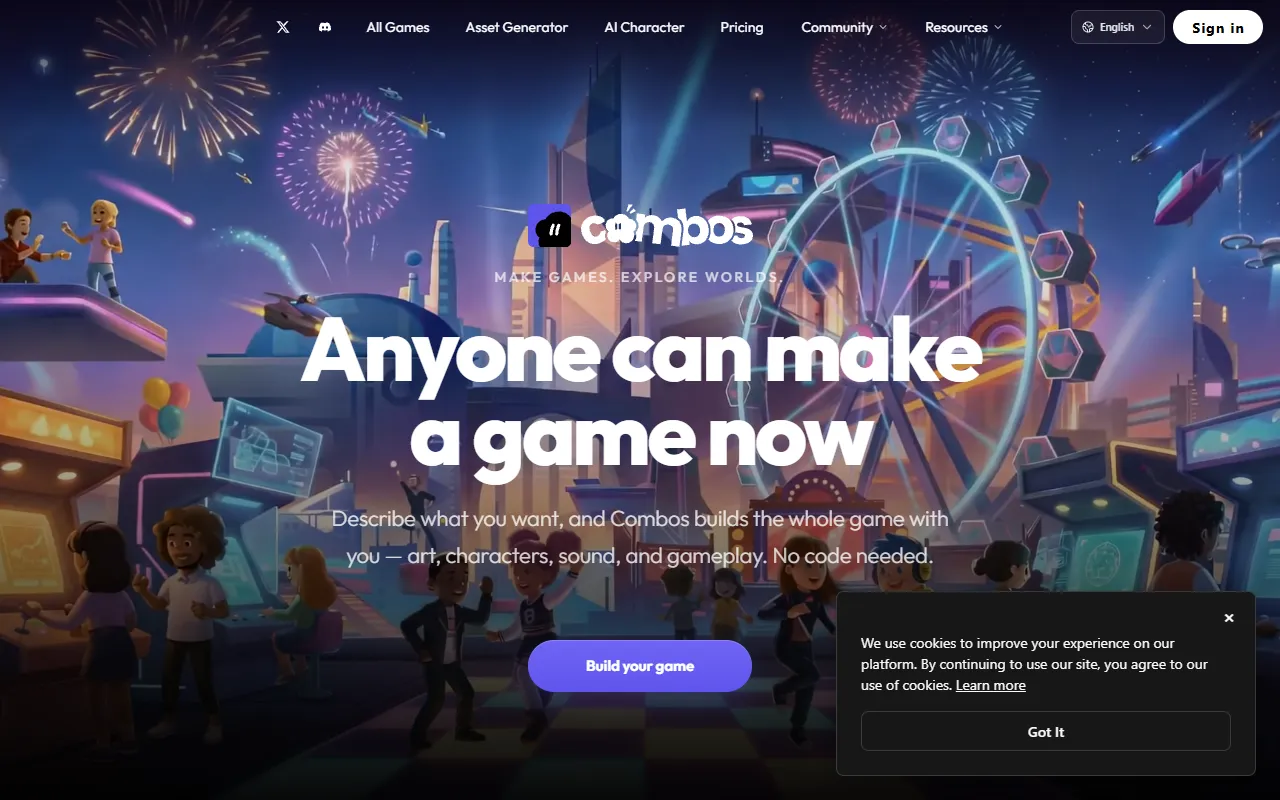
Combos AI: Turn Text into Gmae with AI Free Online – No coding & No Sign-up
AI ProductivityTurn text into games effortlessly with Combos, an AI-driven platform for game development. Designed for creators of all skill levels, it requires no coding or sign-up, making game creation accessible and free.
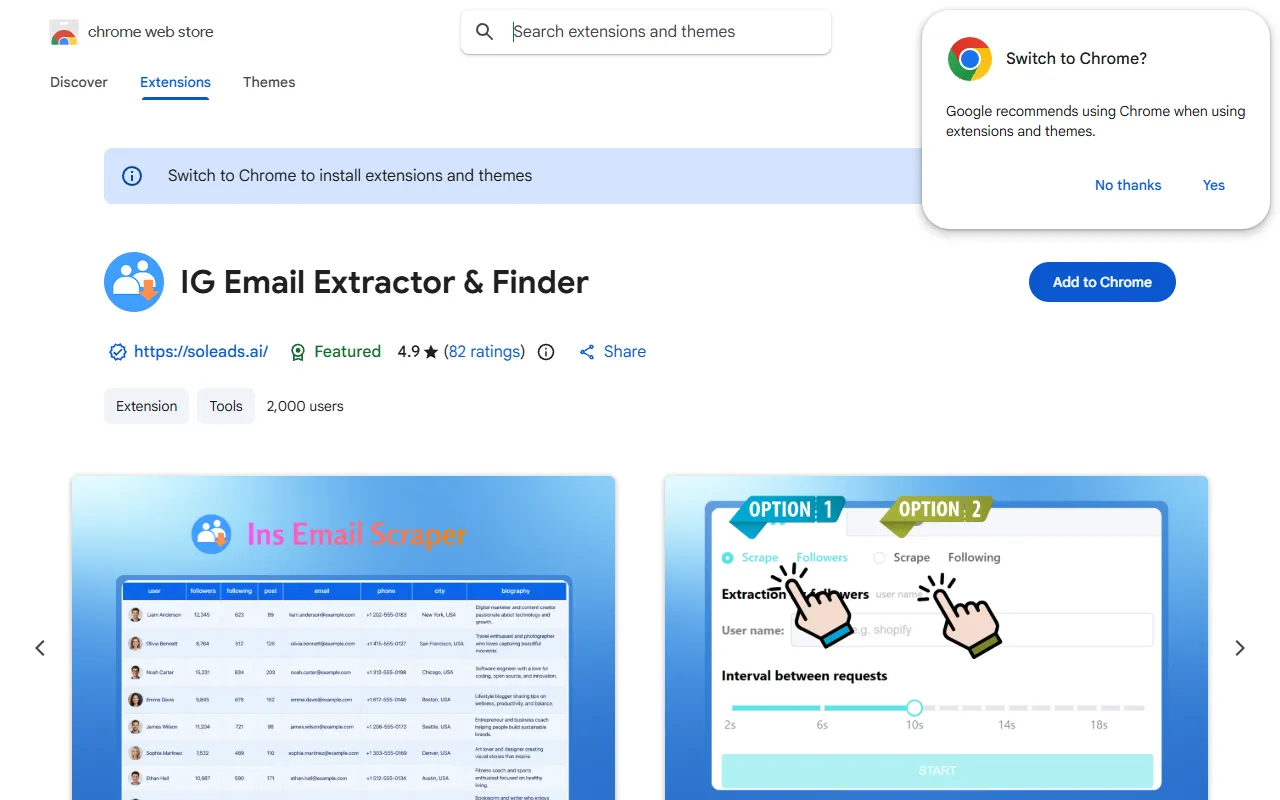
Instagram Email Scraper
AI Customer SupportExtracts emails and phone numbers from Instagram followers and those followed, exporting the data to Excel or CSV formats with a single click. Ideal for businesses looking to enhance their outreach efforts. Free to use with options for paid upgrades.
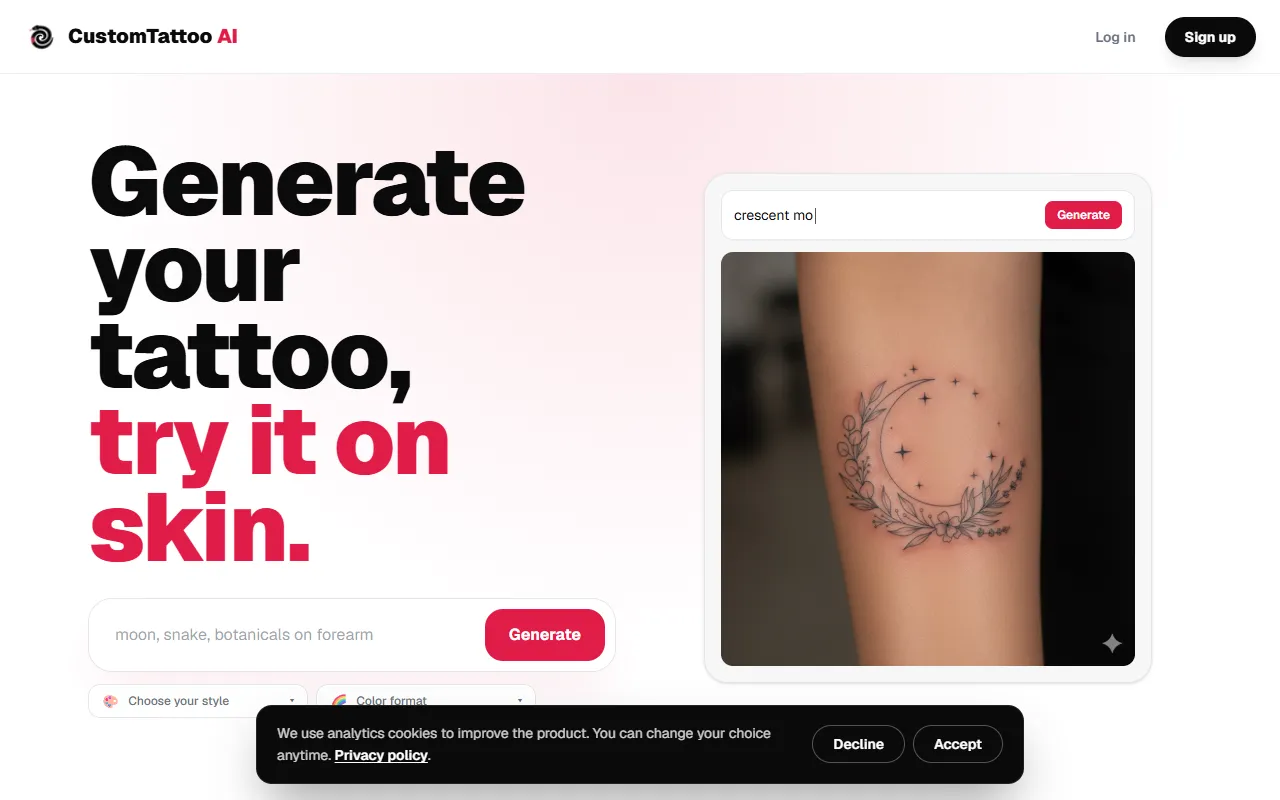
CustomTattoo AI
AI Image GenerationGenerate unique tattoo designs and visualize them on your own skin before getting inked. Ideal for anyone considering a tattoo, it offers 3 free credits to start, with additional paid upgrades available.
Get Your AI Tool
In Front of Thousands
Join hundreds of AI tools already featured on theWebrary. Get priority placement, a dedicated listing page, and reach an audience actively searching for AI tools.
1 Month
$5
$6
3 Months
$10
Save 50%
12 Months
$20
Save 75%