Small Biz and AI: Practical Uses Beyond the Hype in 2026
Small Biz and AI: Practical Uses Beyond the Hype in 2026
Let's face it, the AI buzzword has been overused to the point of exhaustion. But amidst the noise, there are small businesses genuinely leveraging AI to drive efficiency and innovation. As of 2026, these companies are cutting through the hype and embracing tangible AI solutions. Think real use cases, not just future promises.
From automating customer support to fine-tuning inventory management, small businesses are tapping into AI to solve everyday challenges. It's not about jumping on a tech bandwagon; it's about practical application and measurable results. Join me as we unpack how AI is realistically being used by small businesses right now.
This isn't another "AI will change everything" diatribe. It's a deep dive into how AI tools are quietly becoming the backbone of everyday operations for businesses that don't have a Google-sized budget. Whether you're a skeptic or a believer, these real-world implementations might just shift your perspective.
AI in Customer Service: Chatbots that Work
Gone are the days when chatbots were little more than frustrating obstacles between customers and real human interaction. Today, AI-powered chatbots like those from Intercom and Drift are providing personalized, efficient support that many customers actually prefer to traditional methods.
Intercom's conversational AI can manage up to 80% of routine inquiries, freeing up human agents for complex issues. Similarly, Drift's chatbot integrates with existing CRM systems, ensuring that customer interactions are seamless and contextually aware. These tools are not only enhancing customer satisfaction but also cutting down on operational costs.
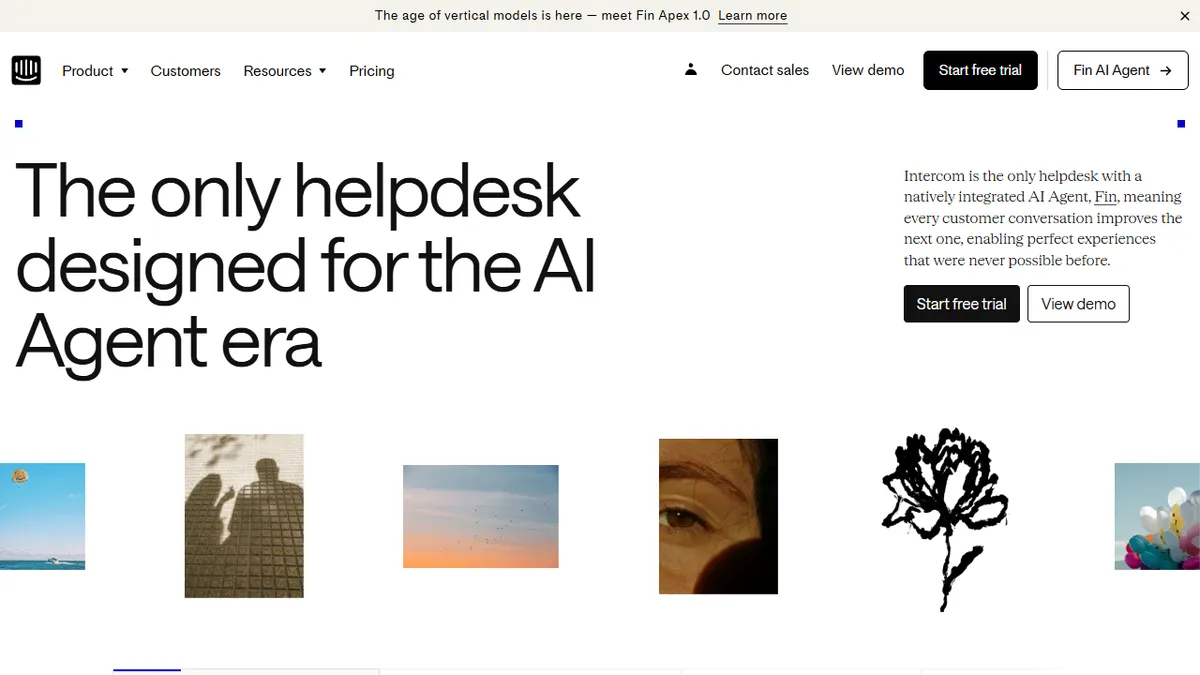
Intercom's AI-powered chatbots in action
What sets these AI chatbots apart is their ability to learn and improve over time. Through machine learning algorithms, they get better at predicting customer needs and providing accurate responses. For instance, a small e-commerce business using AI chatbots reported a 30% reduction in average handling time. While the initial setup might seem daunting, the ROI is undeniable.
“AI chatbots are no longer the future of customer service; they are the present.”
Inventory Management: Smarter and Leaner
For small retailers, inventory management can make or break the bottom line. Here, AI is stepping up to streamline the process. Tools like Blue Yonder and TradeGecko are offering predictive analytics that help businesses keep just the right amount of stock, avoiding both overstock and stockouts.
Blue Yonder uses AI to analyze past sales data and predict future demand with remarkable accuracy. A small fashion retailer using Blue Yonder reported a 20% reduction in inventory costs over six months. The AI not only forecasts demand but also adjusts orders dynamically based on real-time sales data.
Blue Yonder's inventory management tool for predicting demand
TradeGecko, on the other hand, offers an intuitive dashboard that helps visualize inventory levels, sales, and purchase orders. It integrates with e-commerce platforms like Shopify, allowing for seamless operations. This level of integration ensures that all systems are updated in real-time—no more manual entry errors.
Feature | Blue Yonder | TradeGecko |
|---|---|---|
Predictive Analytics | Yes | Partial |
Real-time Updates | Yes | Yes |
CRM Integration | No | Yes |
Marketing: Personalized Without the Creepiness
AI in marketing often brings to mind over-personalized ads that make skin crawl. But today’s tools are learning how to strike the right balance. Take HubSpot and Mailchimp for example: both platforms are utilizing AI to offer personalization that feels less like a stalker and more like a helpful friend.
HubSpot employs AI to analyze customer data and segment audiences more effectively, ensuring that marketing messages are relevant and timely. Meanwhile, Mailchimp's AI tools assist in crafting hyper-personalized email campaigns that adapt to user interactions, leading to a reported increase in open rates by up to 29% for small businesses.
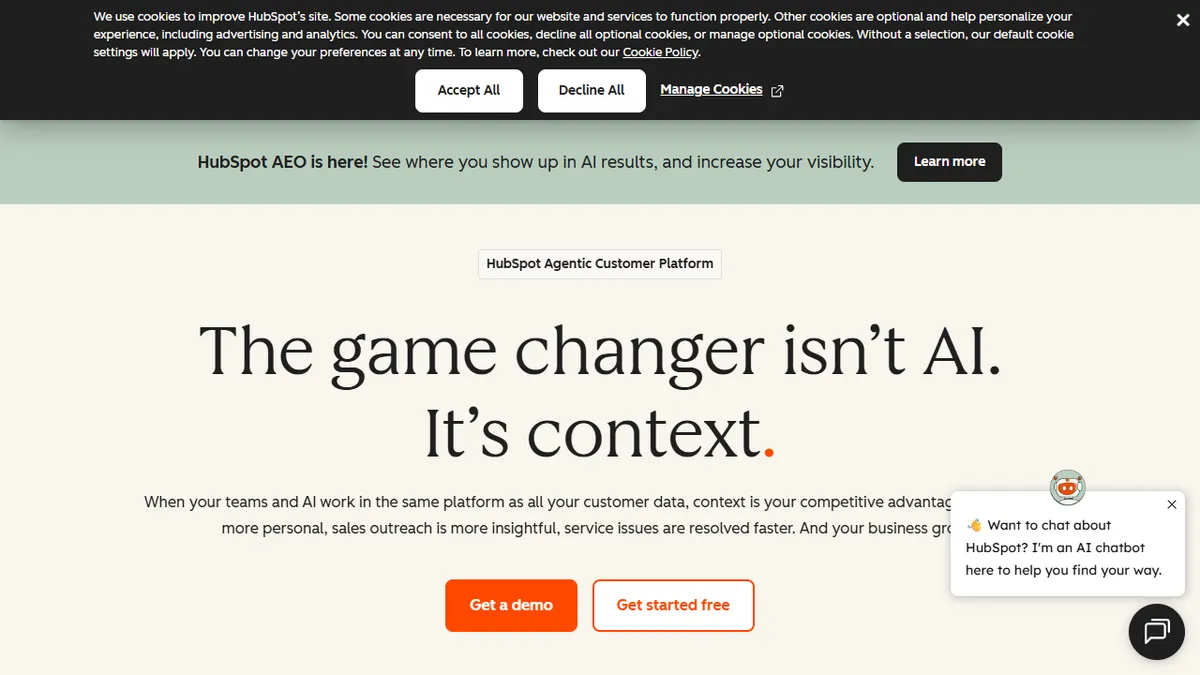
HubSpot's AI-powered marketing tools
It's not just about what messages are sent, but when they are sent. AI tools optimize the timing of communications, boosting engagement without overwhelming the recipient. These platforms are becoming indispensable for businesses that want to maintain a personal touch while scaling their marketing efforts.
“AI enables small businesses to engage with customers on a personal level, at scale, without crossing privacy boundaries.”
Accounting: AI as the Multi-tasking Assistant
Accounting might not be the most glamorous part of running a small business, but it’s one of the most critical. AI tools like QuickBooks and Xero are transforming bookkeeping from a manual, time-consuming task into an automated, efficient process.
QuickBooks’ AI features include expense categorization and transaction matching, significantly reducing the time spent on reconciliations. Xero goes a step further by using machine learning to predict future cash flow, giving business owners a clearer picture of financial health without hours of number crunching.

Xero's AI-driven accounting software
This automation is not just about saving time. A survey of small business owners using these tools reported a 25% decrease in accounting errors, directly impacting their bottom lines. For businesses where every penny counts, these efficiency gains are more than welcome.
How to Choose the Right AI Accounting Tool
Assess your business size and needs: complex needs require more sophisticated software.
Consider integration options: ensure the tool works with your existing systems.
Look for customization features: flexibility can be crucial as your business grows.
HR: Filling Roles Faster with AI Matching
Recruitment is a nerve-wracking process for any small business. Finding the right candidate can feel like finding a needle in a haystack. Enter AI-powered recruitment tools like HireVue and Pymetrics, which are transforming how small businesses approach hiring.
HireVue combines video interviews with AI-driven assessments to screen candidates efficiently. This tool analyzes facial expressions, word choice, and even tone of voice to match candidates with job requirements. Businesses using HireVue report cutting their hiring time by over 50%. That's not just efficiency; it's smart recruitment.
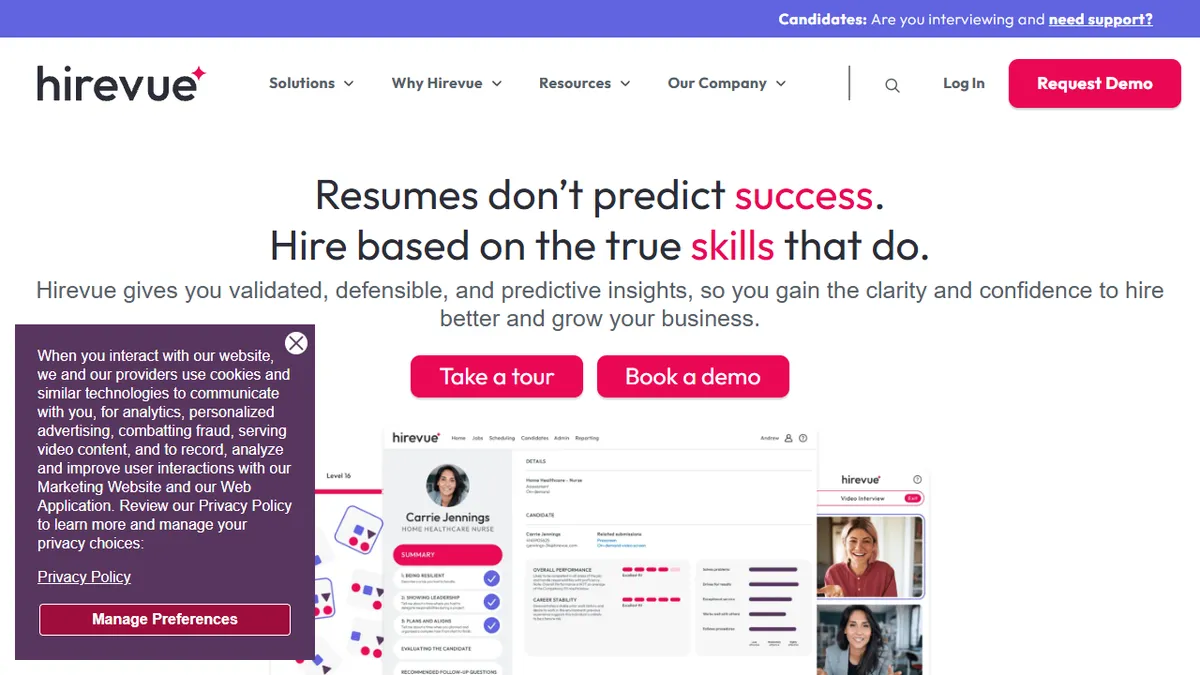
HireVue’s AI-driven recruitment dashboard
Pymetrics offers a slightly different approach. It uses neuroscience games to assess candidate attributes and fits them with company culture. Their AI then matches candidates to roles where they are likely to succeed, significantly enhancing employee retention rates. The payoff? Businesses can reduce turnover by as much as 30%, saving time and resources.
“AI in recruitment is about more than just speed; it’s about finding the right fit, faster.”
The integration of these AI tools in HR practices isn't just a luxury, but a competitive necessity. By spending less time on the hiring process, small businesses can focus on what really matters—growth and customer satisfaction. This shift ensures that they are not just surviving, but thriving in a competitive marketplace.
Contrarian View: When AI Doesn’t Fit
While AI shines in numerous areas, there are instances where it might not be the best fit for small businesses. Consider the hospitality industry, where personalization and human touch are paramount. AI tools, despite their capabilities, can't replace genuine human interaction that many customers value.
Take Kura, a boutique hotel group that decided against AI-based concierge services. Their management found that guests preferred personalized recommendations from staff who knew the local area intimately. The impact on guest satisfaction was noticeable: a 15% increase in repeat bookings when compared to AI-driven services.
Another example is in creative industries like design and art. AI tools can certainly aid in speed and efficiency, but they often lack the unique creativity a human touch offers. Many boutique design firms still rely heavily on human intuition and creativity, using AI tools only as assistants rather than replacements.
“AI is a tool, not a silver bullet. Its value depends on the context and the industry.”
For these industries, AI serves better in supportive roles rather than as a core player. It's a reminder that human creativity and interaction are irreplaceable assets, even in the age of AI.
When Should You Avoid AI Solutions?
If your business relies heavily on personal interactions or bespoke solutions.
When your customer base values tradition or handcrafted quality.
If the initial setup and maintenance costs outweigh potential benefits.
Conclusion: The Nuanced Role of AI in Small Biz
In 2026, the conversation about AI in small businesses is nuanced, recognizing both its transformative potential and its limitations. AI is not a one-size-fits-all solution, but its targeted application can offer significant advantages. From automating mundane tasks to enhancing decision-making processes, AI is quietly reshaping the landscape of small business operations.
Real-world examples, from HireVue's recruitment efficiencies to Blue Yonder's predictive inventory management, demonstrate tangible benefits. They highlight how small businesses are leveraging AI not just for innovation, but for practical outcomes that impact the bottom line.
However, AI’s implementation must be strategic. Businesses need to assess whether AI aligns with their unique needs and customer expectations. The right balance between automation and human touch can optimize both business operations and customer satisfaction.
“AI's role is as much about enhancing human capabilities as it is about automation.”
The takeaway for small businesses? Embrace AI where it adds real value but remain mindful of the irreplaceable human elements that define your brand and customer relationships.