
Cline
Acts as an autonomous coding agent within VS Code, enabling users to create and edit files, execute commands, and browse the web. Open-source and free to use, it caters to developers seeking efficient coding assistance.
Cline — official website
When you’re a developer tasked with managing a sprawling codebase, the prospect of keeping everything consistent and error-free can quickly become overwhelming. Imagine you’re working on a project with multiple contributors, and you need to ensure that coding standards are adhered to while refactoring several interdependent modules. Missing a deadline or introducing bugs could spell disaster for the project timeline. This is where an AI coding assistant can be invaluable, helping automate refactoring tasks and maintaining consistency across the codebase.
Cline excels in automating complex refactoring tasks. Utilizing its “Refactor large codebases” feature, you can make coordinated changes across multiple files while ensuring that imports, types, and behaviors remain consistent. You start by defining the changes needed, and Cline generates a plan for approval. Once approved, it executes the changes in your codebase, ensuring everything works seamlessly. This ability to automate and verify changes is based on Cline’s own marketing and significantly reduces the manual effort required in large-scale projects.
Key Features
- Plan-and-Act Mode — Allows developers to strategize changes before executing them, which is crucial for maintaining control over complex updates.
- Multi-agent Teams — Facilitates the delegation of tasks to specialized agents, enhancing the efficiency of team workflows.
- Terminal and IDE Integration — Offers seamless functionality across terminal and integrated development environments, providing flexibility in how developers work.
- Open Source — Encourages community contributions and ensures that developers are never locked into a single vendor’s ecosystem.
Pros & Cons
- ✓ Open-source nature means no vendor lock-in and community-driven improvements.
- ✓ Supports integration with various tools and platforms, ensuring flexibility for developers.
- ✓ Free for individual developers, with usage-based pricing for AI inference.
- ✗ Requires you to manage your own API keys unless using Cline’s managed infrastructure.
- ✗ Advanced enterprise features like centralized billing and team management are not available for free users.
Cline may not be the best fit for individual developers or small teams focused on quick, small-scale projects. Its robust features are geared more towards large-scale codebases and collaborative environments where team management features and a structured approach to coding standards are crucial. Without the enterprise package, individual developers might find the free version lacking in collaboration tools.
Compared to tools like GitHub Copilot, which offers seamless integration and a user-friendly experience for smaller projects, Cline stands out in its versatility and open-source nature. However, GitHub Copilot might be more suitable for developers looking for a straightforward AI assistant without managing API keys or extensive setup. Conversely, teams managing large, complex codebases would benefit more from Cline’s comprehensive features and flexibility.
Best For
Cline is ideal for medium to large development teams working on intricate projects that require extensive collaboration and automation. Its open-source model and flexible pricing make it suitable for organizations with existing infrastructure and specific needs for codebase management and consistency. The pricing model, free for individual developers, allows for experimentation without financial commitment.
Cline is a valuable tool for developers looking to maintain codebase integrity while automating repetitive tasks. It’s particularly beneficial for large teams needing an AI partner to handle complex workflows across multiple environments. For developers ready to integrate a flexible, open-source AI coding assistant into their processes, Cline is a strong choice.
This review is based on publicly available information from the tool's official website and is written independently by the theWebrary editorial team. We do not accept payment for review content.
Share
Tool Overview
More in AI Coding
Latest Featured


Browse More Tools
View all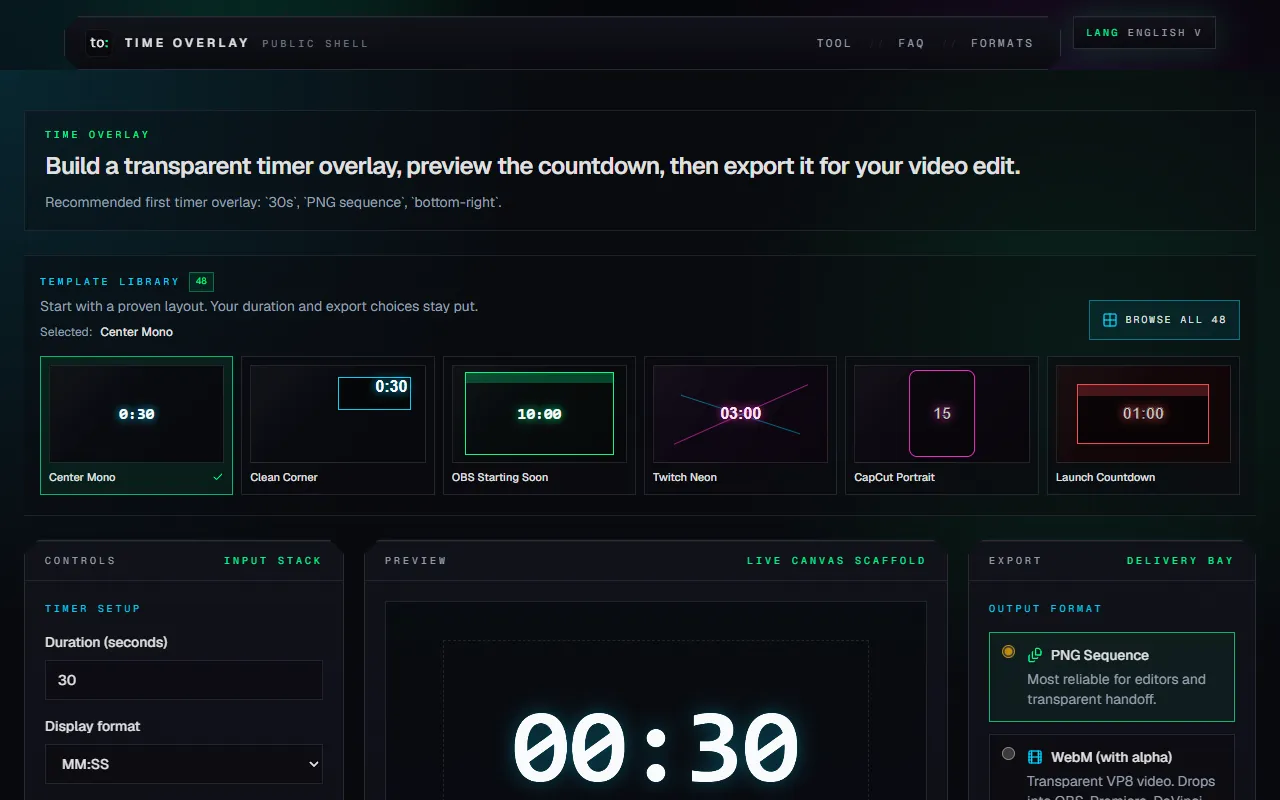
Time Overlay
AI Image GenerationGenerate transparent countdown timer overlays for video editing projects with Time Overlay. This tool allows users to customize duration, style, and position before exporting in formats like PNG or WebM. It’s available for free, making it accessible for content creators and editors.
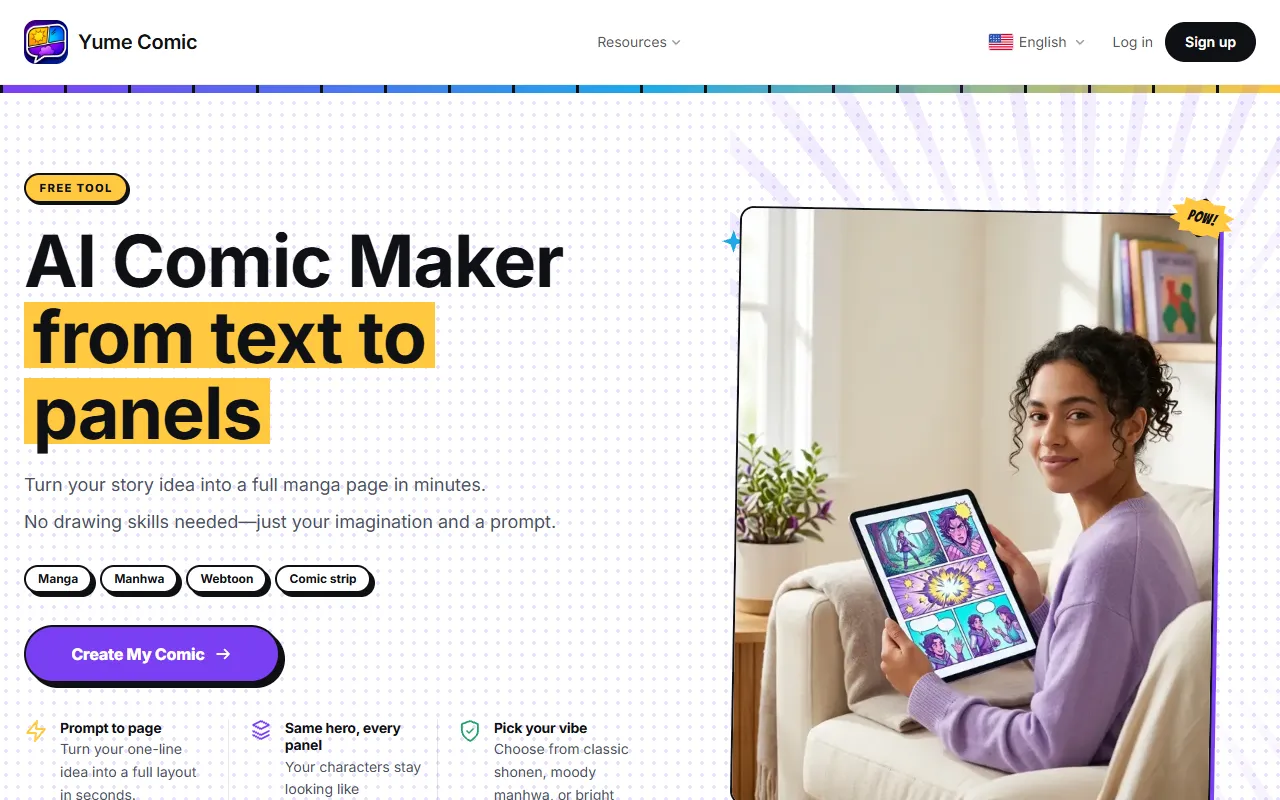
Yume Comic
AI Image GenerationCreate manga, webtoons, and cartoon panels from text or images in just seconds. Ideal for storytellers without drawing skills, Yume Comic enables users to bring their ideas to life with a free tier and optional paid upgrades.
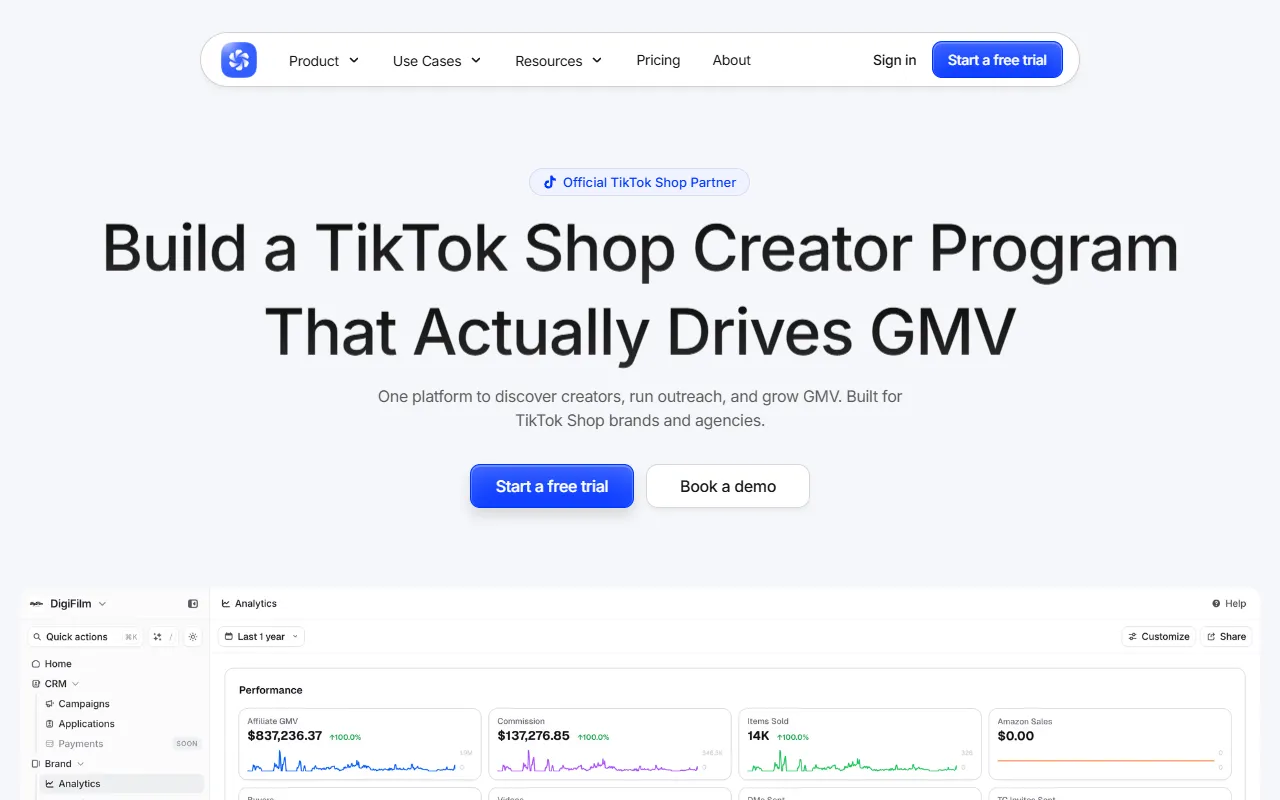
Hubfluence
AI MarketingAutomates outreach and management for TikTok Shop brands and agencies by connecting them with creators to drive sales. Users can access a database of over 4 million creators to find the best partnerships. Free to start with options for paid upgrades.
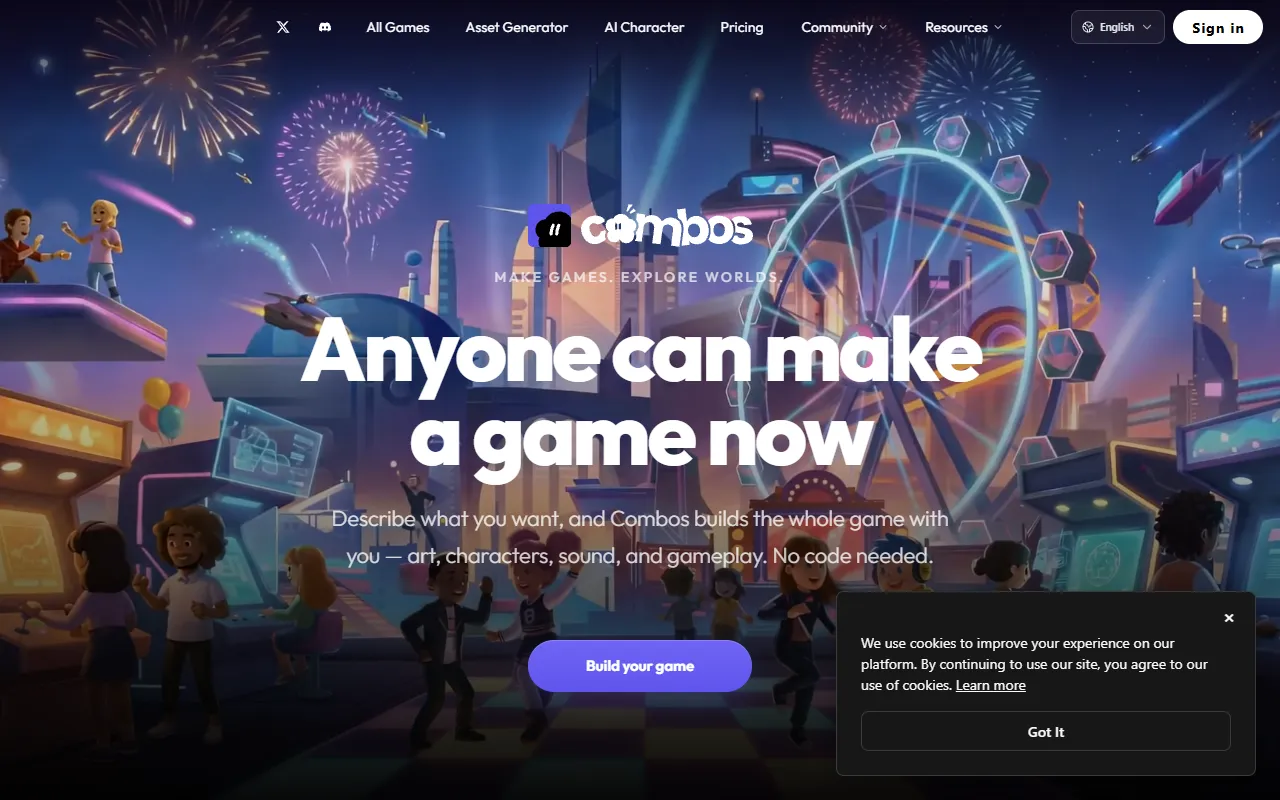
Combos AI: Turn Text into Gmae with AI Free Online – No coding & No Sign-up
AI ProductivityTurn text into games effortlessly with Combos, an AI-driven platform for game development. Designed for creators of all skill levels, it requires no coding or sign-up, making game creation accessible and free.
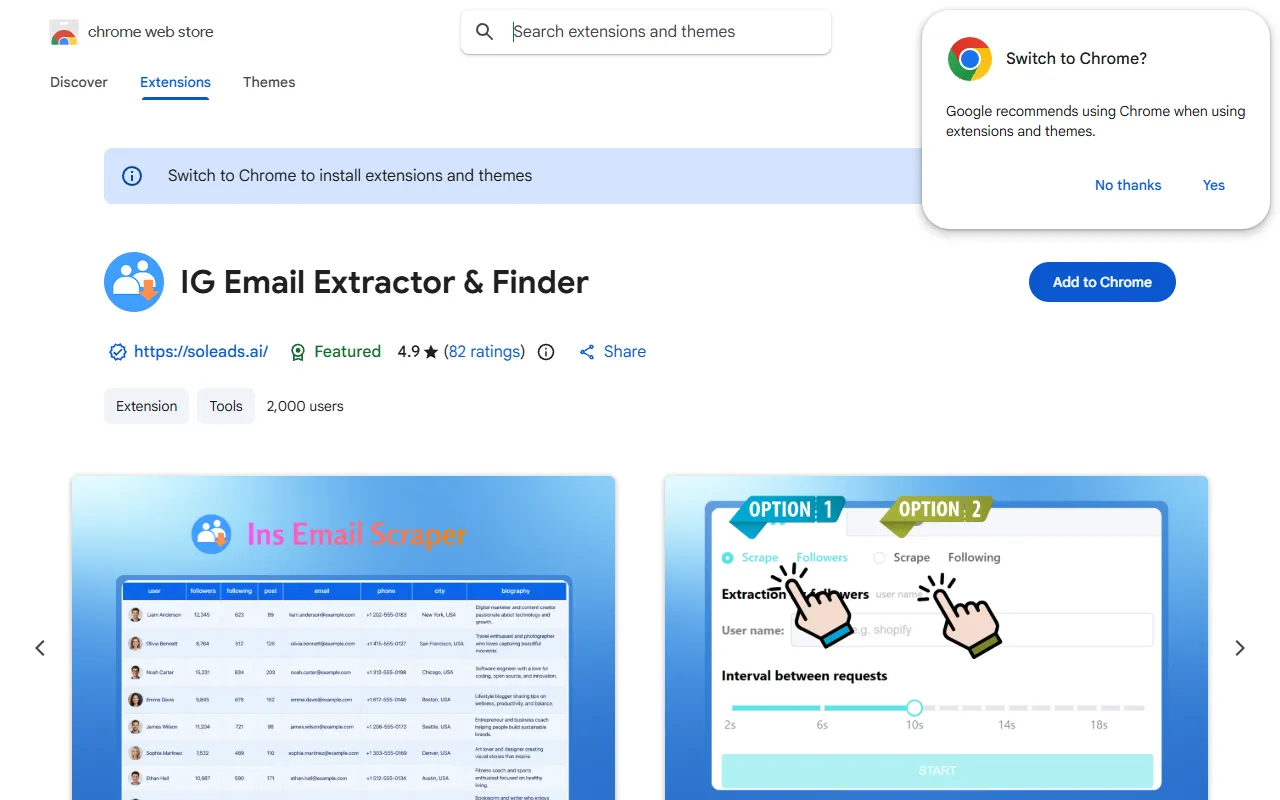
Instagram Email Scraper
AI Customer SupportExtracts emails and phone numbers from Instagram followers and those followed, exporting the data to Excel or CSV formats with a single click. Ideal for businesses looking to enhance their outreach efforts. Free to use with options for paid upgrades.

CustomTattoo AI
AI Image GenerationGenerate unique tattoo designs and visualize them on your own skin before getting inked. Ideal for anyone considering a tattoo, it offers 3 free credits to start, with additional paid upgrades available.
Get Your AI Tool
In Front of Thousands
Join hundreds of AI tools already featured on theWebrary. Get priority placement, a dedicated listing page, and reach an audience actively searching for AI tools.
1 Month
$5
$6
3 Months
$10
Save 50%
12 Months
$20
Save 75%