
ComfyUI
Generates images, videos, 3D models, and audio using a node-based design with a library of over 200 customizable workflow templates. Ideal for creative projects, ComfyUI is free and open-source, making it accessible for all users.
ComfyUI — official website
Imagine you’re a creative director at a burgeoning eCommerce brand, tasked with producing a high-volume of visually stunning content for multiple product launches each month. Your team constantly struggles with the bottleneck of producing consistent, high-quality visuals while needing to maintain creative control over every aspect of the design process. This is where ComfyUI could become a game-changer. By offering a node-based workflow system, it promises to streamline the complex task of managing visual AI projects, ensuring every model, parameter, and output can be meticulously controlled.
ComfyUI excels in providing professional control over visual AI workflows. One standout feature is its node-based design, where you can connect models, processing steps, and outputs on an infinite canvas. This allows you to build powerful AI pipelines where every component is visible and adjustable. You can start with a community-shared workflow template, which you can then customize to fit your specific needs. The flexibility to switch between App Mode for simplified workflows and the more detailed node graph view empowers you to go as deep or as straightforward as your project requires.
Key Features
- Node-based Workflow — Allows for complete control over every aspect of the AI pipeline, crucial for visual professionals who need precision.
- Community Workflows — Access thousands of shared workflows, enabling you to start with proven templates and adjust them to your needs.
- App Mode — Provides a simplified view of workflows for beginners, with the option to dive deeper into complex settings as needed.
- Custom LoRA Importing — For those on higher plans, the ability to import models from platforms like CivitAI or Huggingface is invaluable.
- Parallel Job Execution — Run multiple workflows in parallel, significantly boosting productivity and efficiency.
Pros & Cons
- ✓ Comprehensive control over every model, parameter, and output as highlighted on the homepage.
- ✓ Access to a vast library of community-shared workflows and templates.
- ✓ Offers both desktop and cloud solutions, allowing for flexibility in how the tool is accessed and used.
- ✗ The learning curve can be steep for those unfamiliar with node-based systems, potentially slowing down adoption.
- ✗ Workflow runtime is capped based on the pricing plan, which may limit more extensive, long-running projects.
For users who are not familiar with node-based systems, ComfyUI might present a challenge. The steep learning curve, especially for those opting out of the simplified App Mode, can be daunting for beginners. A sole creative freelancer without much technical background might find the customization options overwhelming and time-consuming, potentially leading to frustration and an underutilized tool.
When compared to other tools like RunwayML or Artbreeder, ComfyUI stands out for its node-based control and customization, making it a better fit for professionals who demand nuanced control over their visual outputs. However, those who prefer a more straightforward, template-driven approach might find RunwayML’s user-friendly interface more appealing. ComfyUI’s pricing is competitive, but those looking for a lower-cost or free option with limited customization might consider Artbreeder, especially for less complex visual needs.
Best For
ComfyUI is best suited for small to medium-sized creative teams or individual professionals who need detailed control over AI-driven visual creation workflows. It’s particularly effective for industries like VFX, animation, gaming, and creative studios. For $35 per month, the Creator plan provides a balanced mix of features and credits, making it ideal for small teams fine-tuning repeatable workflows.
ComfyUI offers a robust platform for visual professionals needing precise control over AI workflows. While it requires a learning curve, its depth and flexibility make it invaluable for professionals in fields such as VFX and animation. For those who can navigate its complexities, ComfyUI promises unrivaled customization and control. ComfyUI is highly recommended for creative professionals who demand detailed control over their visual AI projects.
This review is based on publicly available information from the tool's official website and is written independently by the theWebrary editorial team. We do not accept payment for review content.
Share
Tool Overview
Latest Featured


Browse More Tools
View all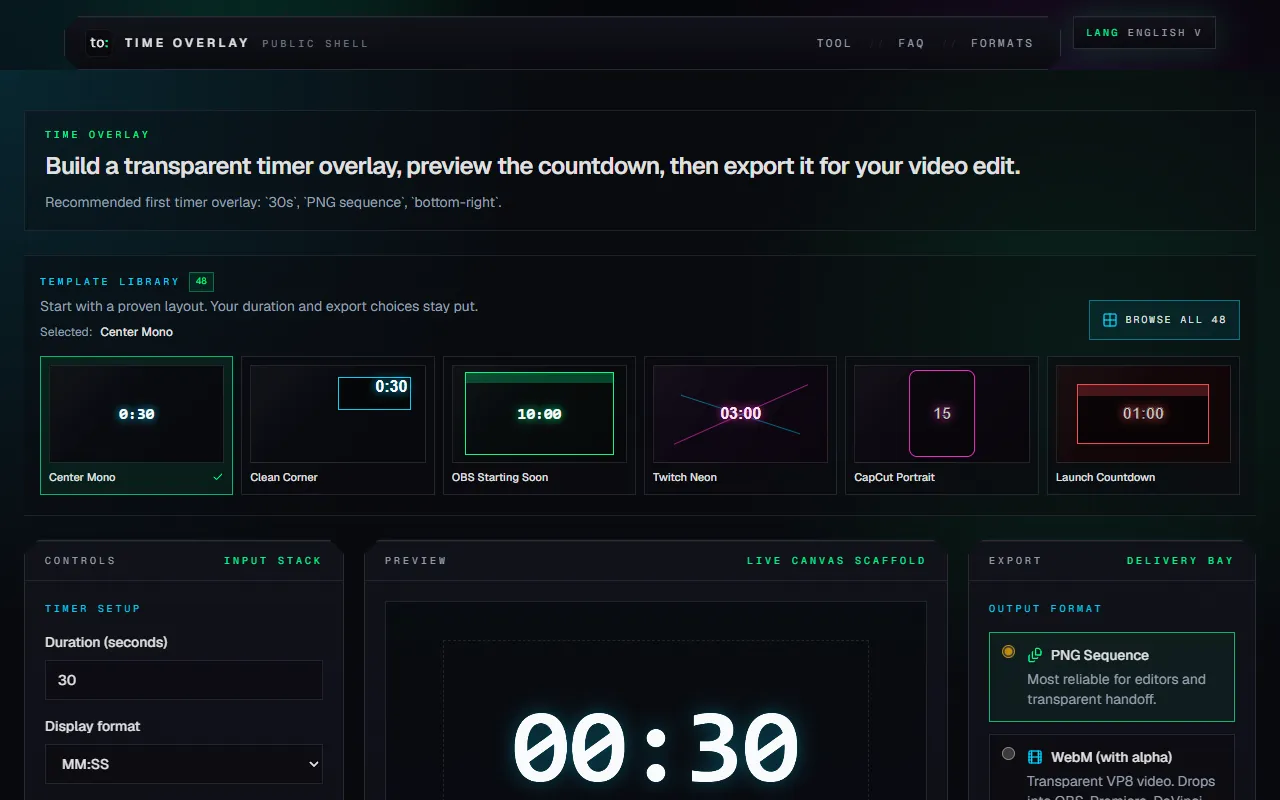
Time Overlay
AI Image GenerationGenerate transparent countdown timer overlays for video editing projects with Time Overlay. This tool allows users to customize duration, style, and position before exporting in formats like PNG or WebM. It’s available for free, making it accessible for content creators and editors.
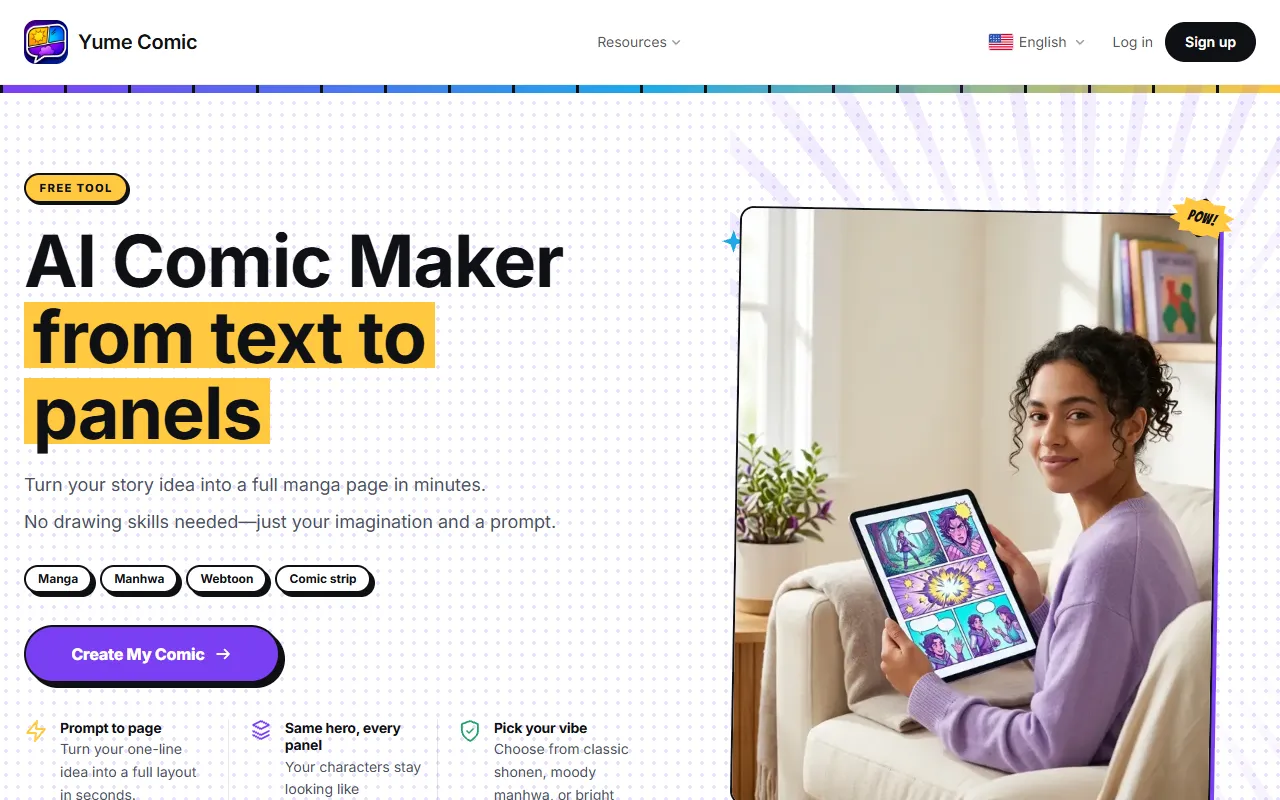
Yume Comic
AI Image GenerationCreate manga, webtoons, and cartoon panels from text or images in just seconds. Ideal for storytellers without drawing skills, Yume Comic enables users to bring their ideas to life with a free tier and optional paid upgrades.
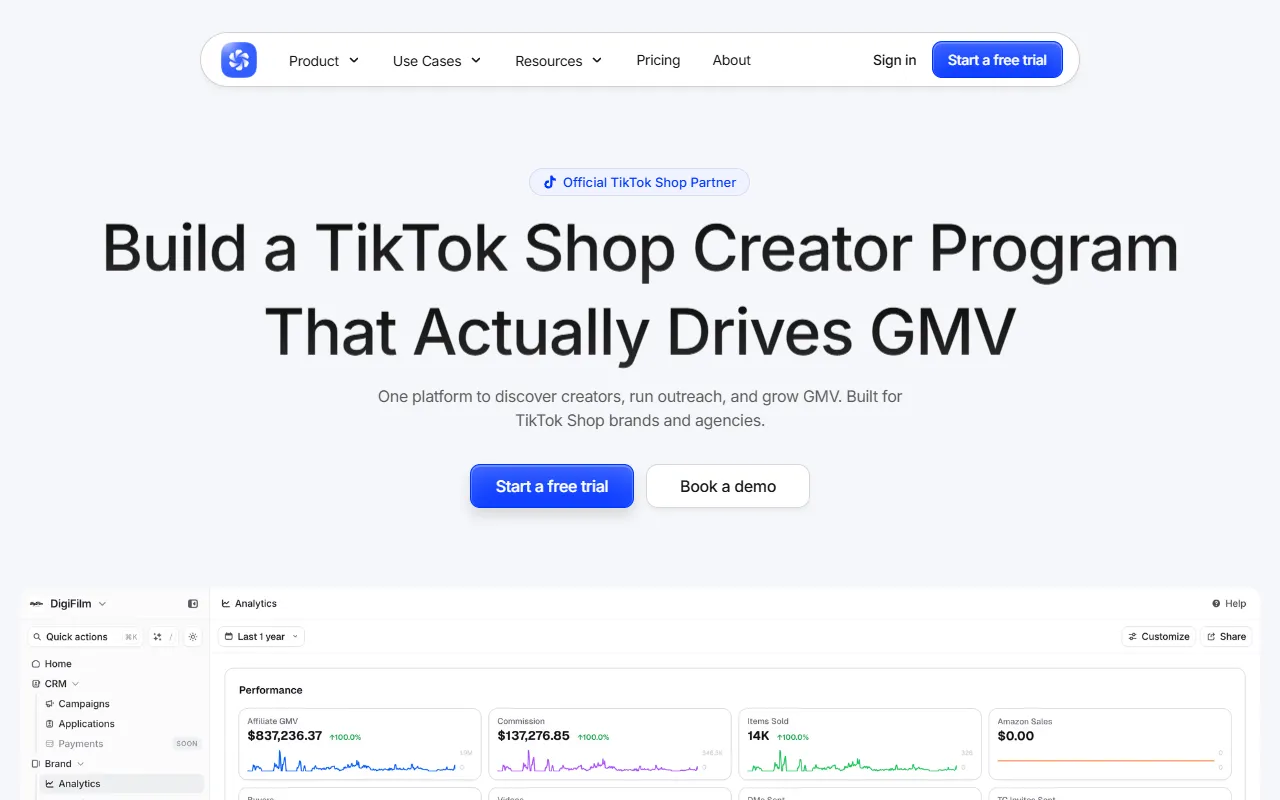
Hubfluence
AI MarketingAutomates outreach and management for TikTok Shop brands and agencies by connecting them with creators to drive sales. Users can access a database of over 4 million creators to find the best partnerships. Free to start with options for paid upgrades.
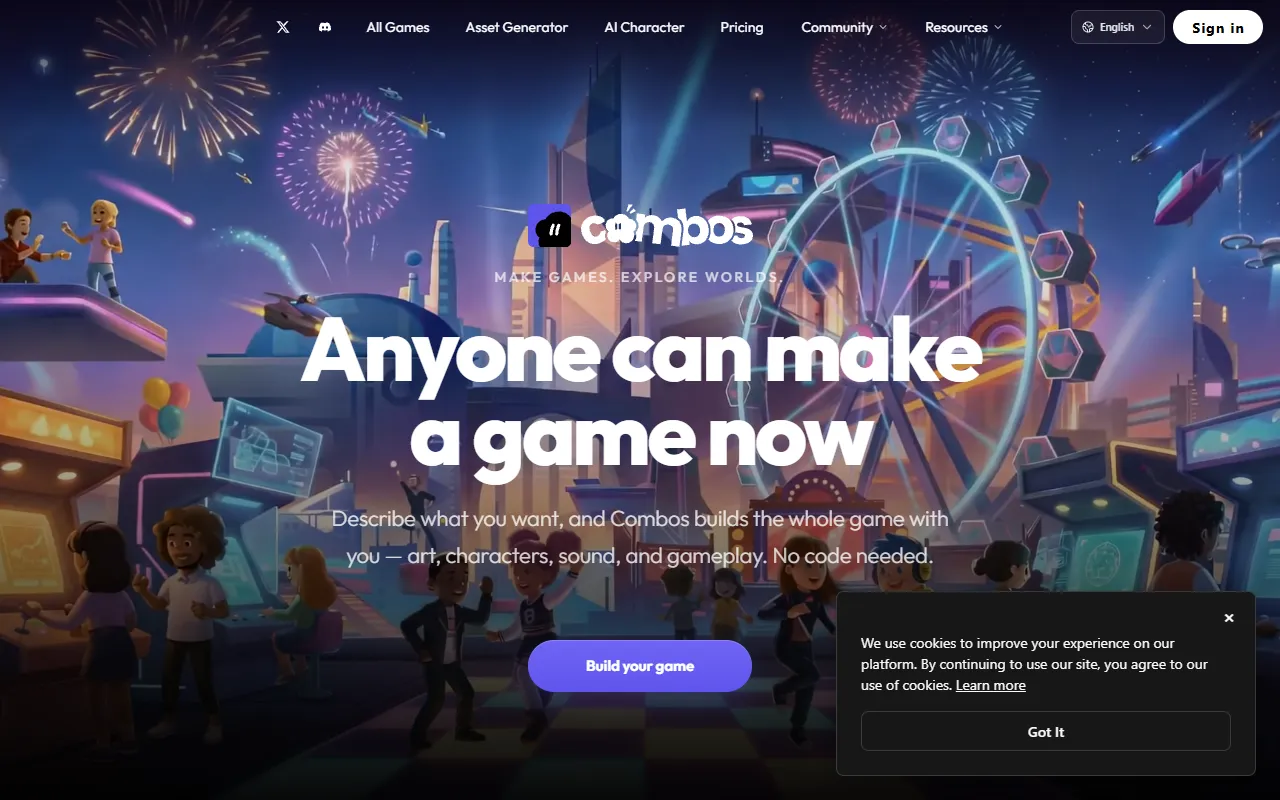
Combos AI: Turn Text into Gmae with AI Free Online – No coding & No Sign-up
AI ProductivityTurn text into games effortlessly with Combos, an AI-driven platform for game development. Designed for creators of all skill levels, it requires no coding or sign-up, making game creation accessible and free.
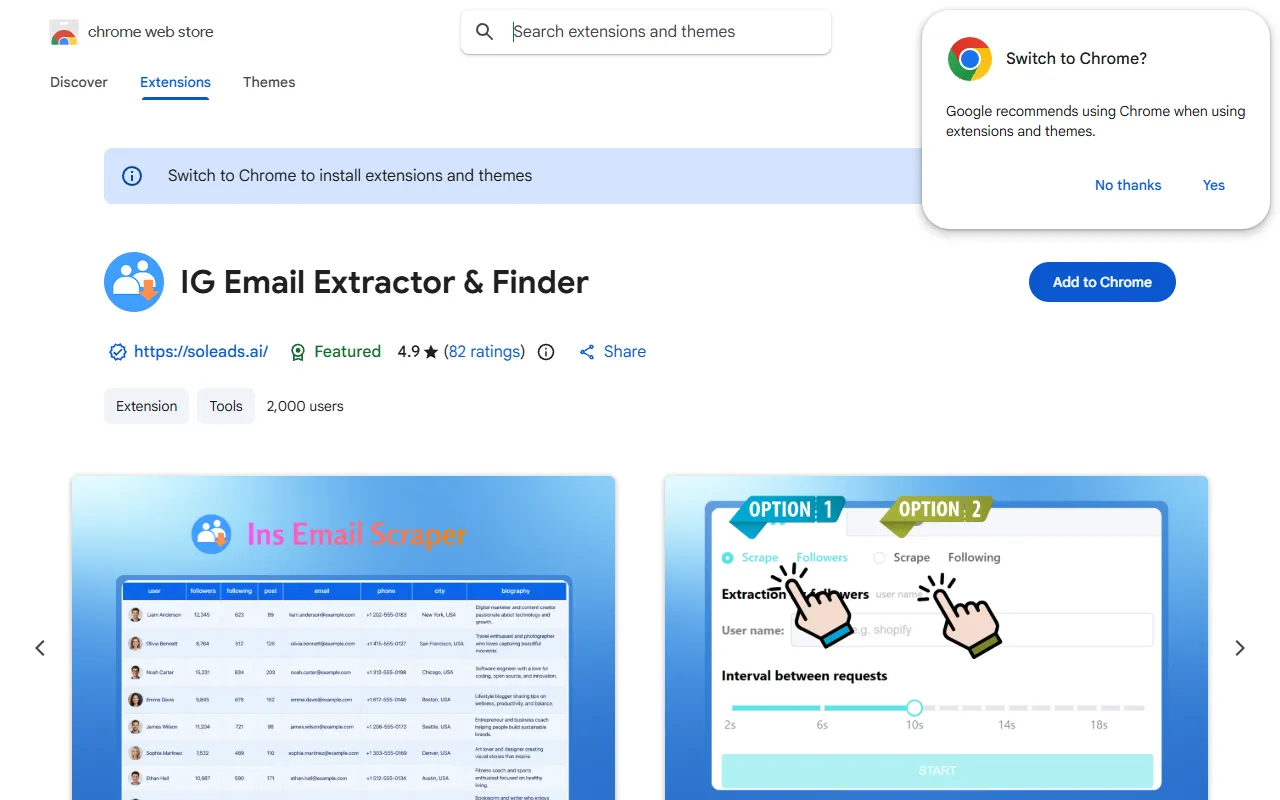
Instagram Email Scraper
AI Customer SupportExtracts emails and phone numbers from Instagram followers and those followed, exporting the data to Excel or CSV formats with a single click. Ideal for businesses looking to enhance their outreach efforts. Free to use with options for paid upgrades.
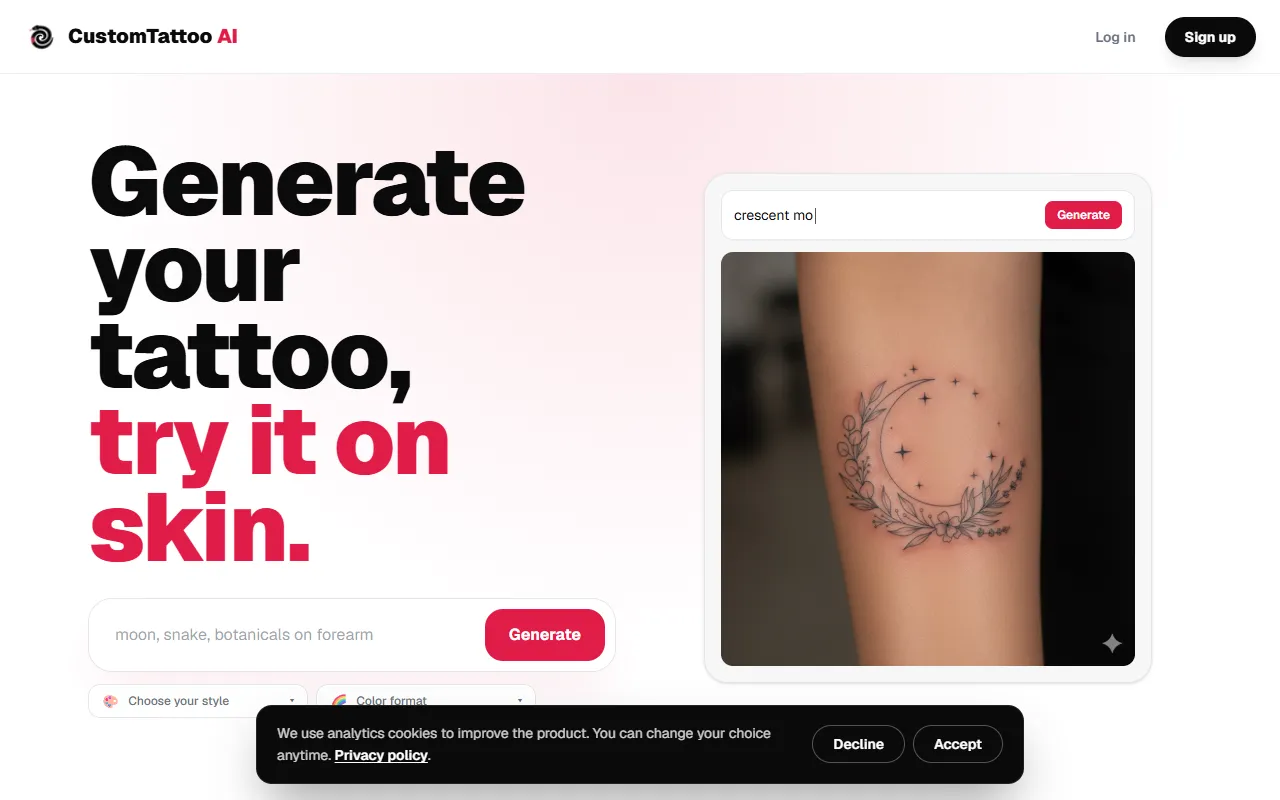
CustomTattoo AI
AI Image GenerationGenerate unique tattoo designs and visualize them on your own skin before getting inked. Ideal for anyone considering a tattoo, it offers 3 free credits to start, with additional paid upgrades available.
Get Your AI Tool
In Front of Thousands
Join hundreds of AI tools already featured on theWebrary. Get priority placement, a dedicated listing page, and reach an audience actively searching for AI tools.
1 Month
$5
$6
3 Months
$10
Save 50%
12 Months
$20
Save 75%