
Dreamflow
Creates mobile apps by combining AI prompts with visual editing and Flutter code. Designed for users without programming skills, it offers a free-to-use option for app development.
Dreamflow — official website
Imagine you’re an entrepreneur with a brilliant idea for a mobile app that could disrupt an industry, but you’re facing a tight budget and lack coding skills. Your previous attempts to hire developers have fallen through, and the deadline for launching your MVP is fast approaching. You need a reliable tool that allows you to build a production-ready app quickly and without needing extensive programming knowledge. Dreamflow might be the solution you’re looking for. It promises to combine AI, visual editing, and Flutter code to help you create mobile apps efficiently.
Dreamflow excels in offering a Visual AI builder for production mobile apps, based on its own marketing claims. You describe your app concept in natural language, and the platform’s AI understands the patterns and best practices to scaffold features effectively. Once your app is scaffolded, you can adjust it visually on a canvas or dive directly into the code if you prefer more control. This tri-surface editing capability ensures that what you see is perfectly synced with the underlying code, facilitating a smooth transition from idea to production. You then have the option to deploy your app to the App Store, Play Store, or the web with just a few clicks, allowing you to reach your audience swiftly.
Key Features
- Tri-Surface Editing — Switch seamlessly between AI prompts, visual canvas, and code, ensuring everything stays in sync.
- AI-Powered Context Awareness — Automatically understands patterns to scaffold features correctly.
- Backend Integrations — Offers Firebase or Supabase integration out of the box for scalable app development.
- 1-Click Deployment — Deploy to App Store, Play Store, and Web with minimal effort.
Pros & Cons
- ✓ Tri-Surface Editing allows fluid switching between visual, AI, and code views.
- ✓ AI-powered generation streamlines the scaffolding of app features.
- ✓ Built-in backend integrations with Firebase and Supabase for scalable development.
- ✗ Free plan only includes 10 credits, which may limit extensive experimentation.
- ✗ The website doesn’t specify details on exporting to non-Flutter formats, which might restrict flexibility.
Dreamflow may disappoint users who require support for non-Flutter based frameworks or need to work offline extensively, as no offline capabilities are mentioned. Additionally, the limited credits in the free plan could frustrate those looking to experiment extensively before committing financially. If you are a developer accustomed to a particular framework other than Flutter, the transition might not align with your existing workflow, potentially leading you to seek alternatives better suited to your needs.
In this space, Bubble and Adalo are two other tools that cater to no-code app development. Bubble offers a more general visual programming platform suitable for web apps, whereas Adalo is focused on mobile app development. If you prioritize a smooth integration with Flutter and need AI assistance in scaffolding features, Dreamflow is the better choice. However, if your project requires more flexibility in web app development, Bubble might be the better fit. Adalo is a strong alternative if you’re looking for straightforward mobile app creation without needing AI or code-level control.
Best For
Dreamflow is ideal for solo entrepreneurs or small startups that need to quickly build production-ready mobile apps using Flutter. With its AI-assisted development and integrated backend solutions, it fits those on a budget who can start with the Free plan and scale up to the Pro plan as needed. This tool is particularly suited for users without extensive programming skills but who still want to maintain some control over the code.
Dreamflow stands out for those needing a balance of AI-driven development with visual and code-level control. It’s a solid choice for entrepreneurs or small teams who need to rapidly prototype and deploy polished apps. For those who fit this profile, Dreamflow offers a streamlined path to turning app ideas into reality. Its combination of AI, visual editing, and Flutter code might just be the tool you need.
This review is based on publicly available information from the tool's official website and is written independently by the theWebrary editorial team. We do not accept payment for review content.
Share
Tool Overview

Latest Featured


Browse More Tools
View all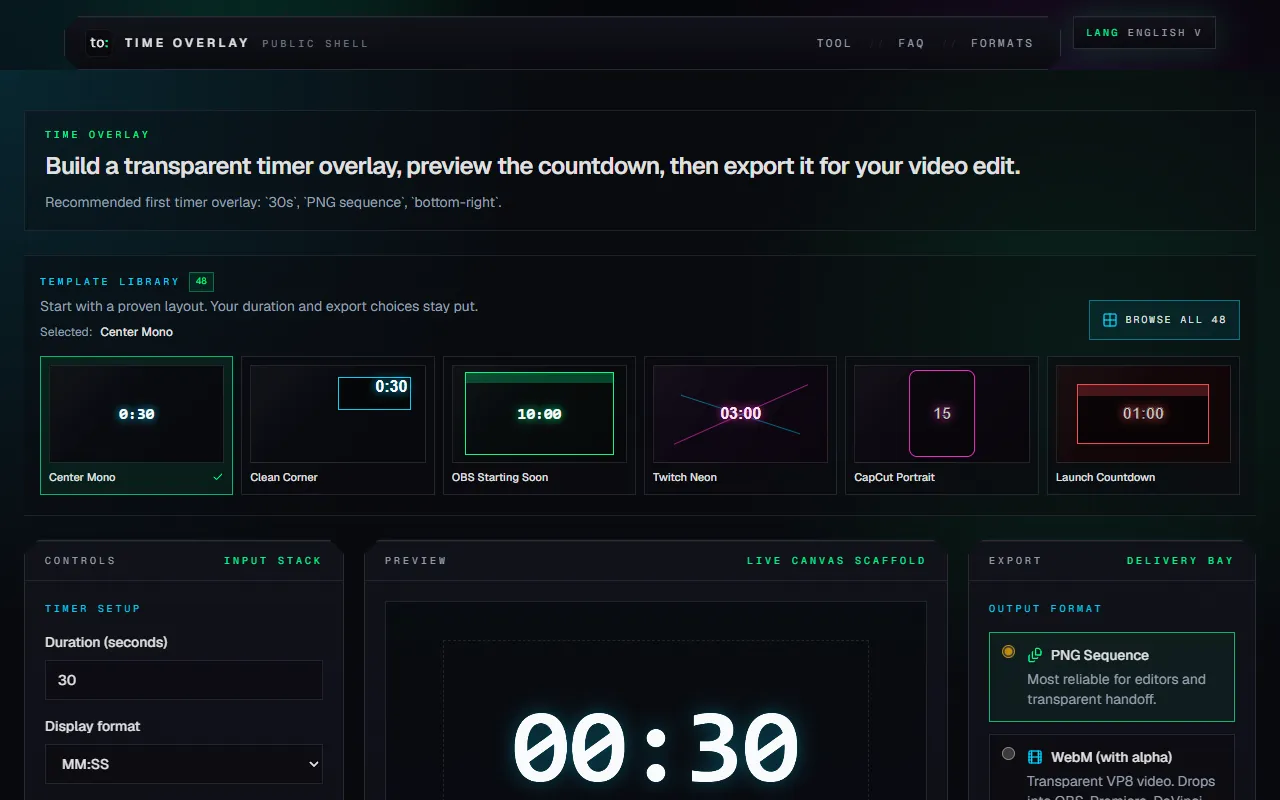
Time Overlay
AI Image GenerationGenerate transparent countdown timer overlays for video editing projects with Time Overlay. This tool allows users to customize duration, style, and position before exporting in formats like PNG or WebM. It’s available for free, making it accessible for content creators and editors.
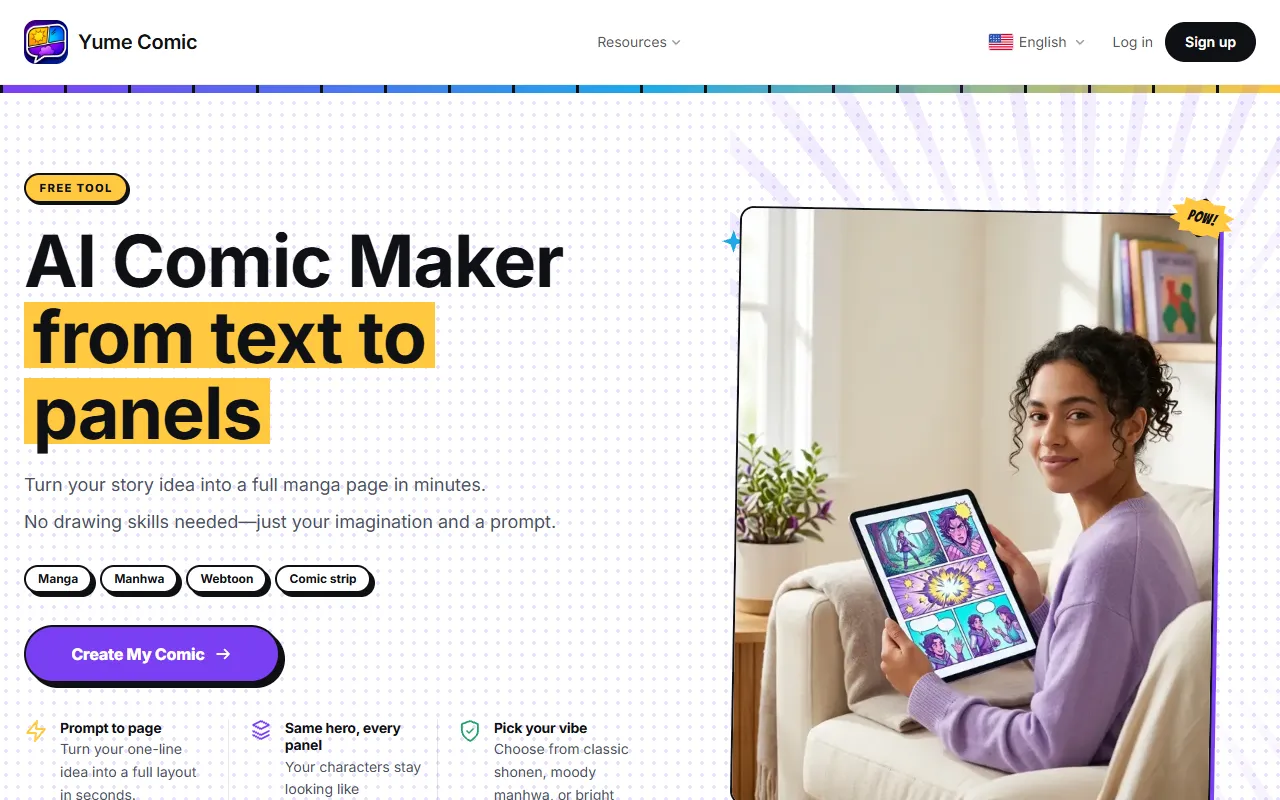
Yume Comic
AI Image GenerationCreate manga, webtoons, and cartoon panels from text or images in just seconds. Ideal for storytellers without drawing skills, Yume Comic enables users to bring their ideas to life with a free tier and optional paid upgrades.
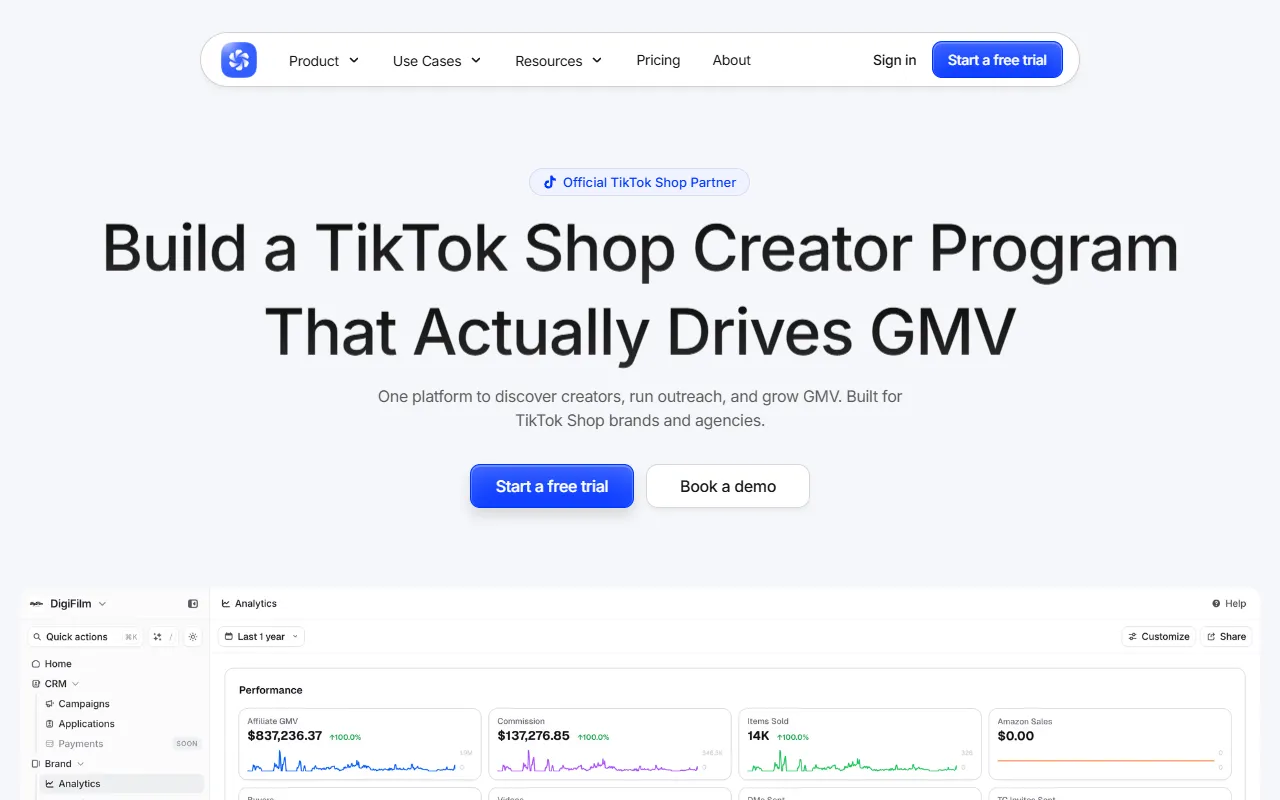
Hubfluence
AI MarketingAutomates outreach and management for TikTok Shop brands and agencies by connecting them with creators to drive sales. Users can access a database of over 4 million creators to find the best partnerships. Free to start with options for paid upgrades.
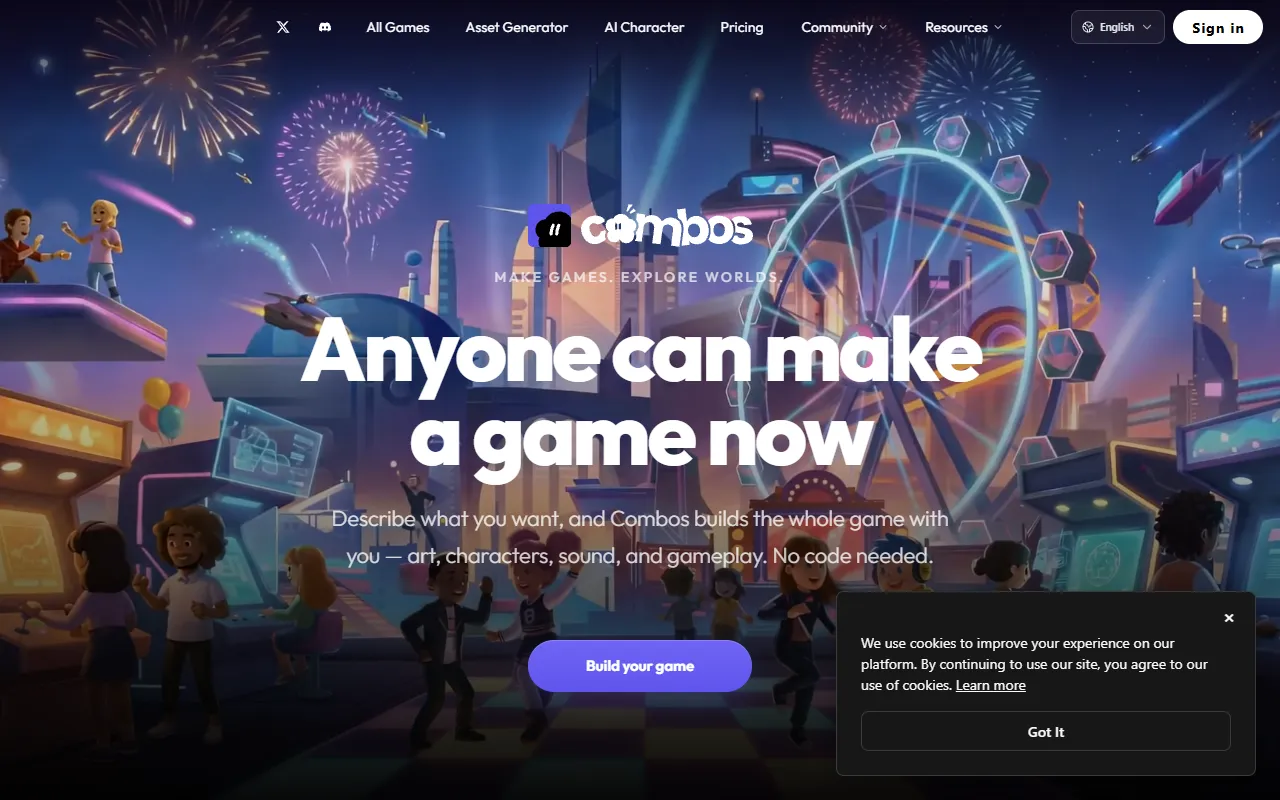
Combos AI: Turn Text into Gmae with AI Free Online – No coding & No Sign-up
AI ProductivityTurn text into games effortlessly with Combos, an AI-driven platform for game development. Designed for creators of all skill levels, it requires no coding or sign-up, making game creation accessible and free.
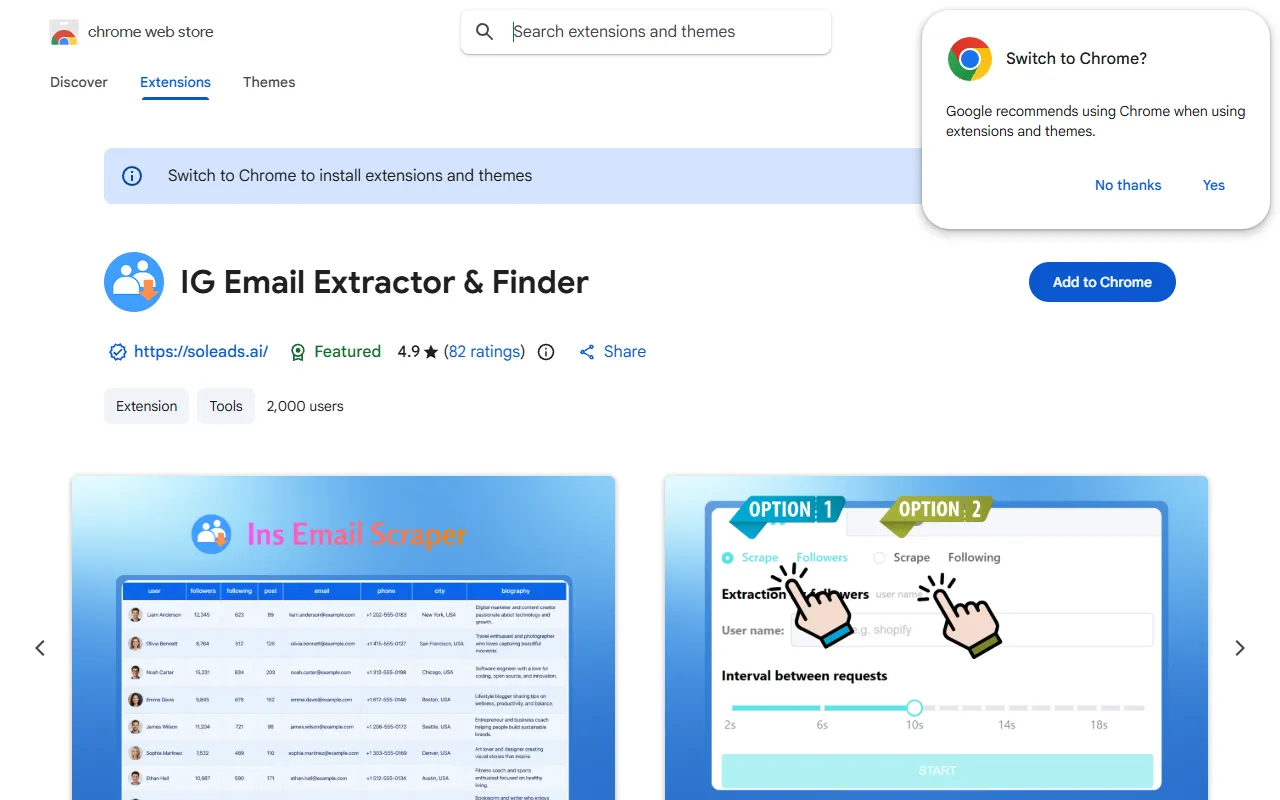
Instagram Email Scraper
AI Customer SupportExtracts emails and phone numbers from Instagram followers and those followed, exporting the data to Excel or CSV formats with a single click. Ideal for businesses looking to enhance their outreach efforts. Free to use with options for paid upgrades.
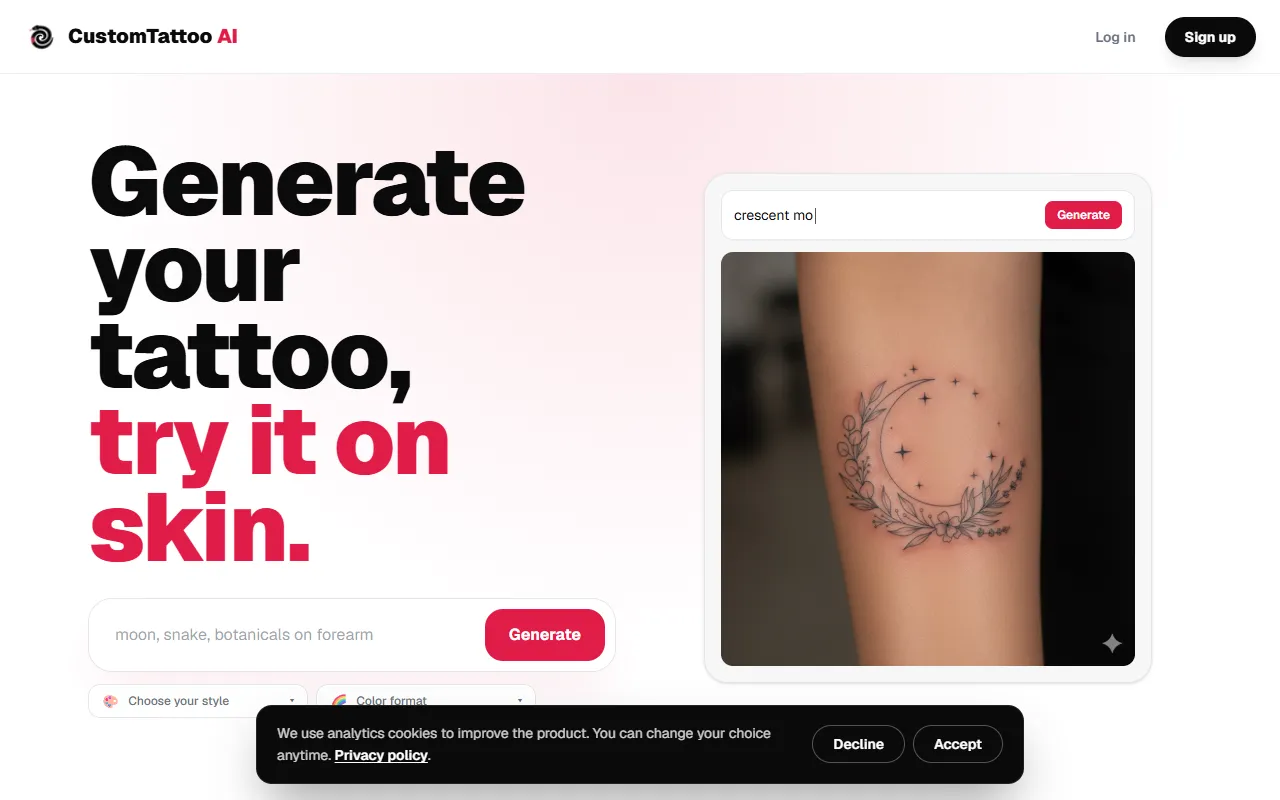
CustomTattoo AI
AI Image GenerationGenerate unique tattoo designs and visualize them on your own skin before getting inked. Ideal for anyone considering a tattoo, it offers 3 free credits to start, with additional paid upgrades available.
Get Your AI Tool
In Front of Thousands
Join hundreds of AI tools already featured on theWebrary. Get priority placement, a dedicated listing page, and reach an audience actively searching for AI tools.
1 Month
$5
$6
3 Months
$10
Save 50%
12 Months
$20
Save 75%