
Image to STL
Converts PNG and JPG images into detailed 3D printable STL models. Ideal for designers and hobbyists looking to transform 2D visuals into tangible objects. Available for free, with optional premium features for enhanced functionality.
Image to STL — official website
Imagine you’re an educator tasked with making history lessons more engaging. You want to transform historical images into 3D models for interactive demonstrations. Or perhaps you’re a hobbyist looking to convert your 2D sketches into tangible objects for 3D printing. In situations like these, finding an efficient tool that converts 2D images into 3D models quickly and accurately is crucial. The need for a tool that simplifies this process without requiring advanced 3D modeling skills is common among both educators and creators, which is where an “image to STL” converter can make a real difference.
Image to STL is specifically marketed for its ability to convert 2D images into 3D printable STL files using AI technology. You upload a JPG or PNG image, and the tool generates a detailed 3D model in STL format. This process is fast, typically taking seconds, and doesn’t require any specialized 3D modeling knowledge. The tool’s AI analyzes image depth and contours, creating precise 3D geometry. This makes it particularly useful for creators and designers who need to quickly go from concept to 3D model without the steep learning curve associated with traditional 3D software.
Key Features
- AI-Powered Generation — Automatically analyzes images to create detailed 3D geometry, crucial for accurate model creation.
- Multi-Image Support — Allows the use of multiple angles for better 3D reconstruction, enhancing detail and accuracy.
- Print-Ready Output — Outputs STL and GLB files optimized for 3D printing and visualization, saving time in model preparation.
- 3D Model Preview — Provides a preview of the 3D model before download, ensuring satisfaction with the result.
- Cloud-Based Processing — Offers fast and secure conversions powered by cloud servers, ensuring quick access to files.
Pros & Cons
- ✓ Converts images to STL files in seconds, facilitating quick project turnarounds.
- ✓ Supports multiple image formats, including JPG and PNG, for broad compatibility.
- ✓ Offers a detailed preview of the 3D model before finalizing the download, reducing errors.
- ✗ The website doesn’t specify the exact limitations of the free plan, which could frustrate users.
- ✗ Limited to a maximum file size of 10MB, restricting the detail possible in larger images.
Despite its impressive capabilities, Image to STL might frustrate users needing to convert very large or highly detailed images, given the 10MB file size limitation. Professional designers or engineers requiring conversions of high-resolution images might find this constraint a hindrance, as it limits the potential detail and accuracy of the 3D models generated. Additionally, users unfamiliar with the limitations of the free plan might find themselves unexpectedly needing to upgrade.
Compared to other tools like Vectary, which offers more comprehensive design features and integration options, Image to STL is more focused on rapid conversion from image to 3D file. Choose Image to STL if you want a straightforward, quick conversion process without additional design features. For users looking for more complex modeling capabilities, especially those needing to edit models post-conversion, Vectary might be the better choice.
Best For
Image to STL is ideal for individual creators, educators, or hobbyists who need to quickly convert 2D images into 3D models for printing, without investing in complex software. Its pricing model, offering free conversion with optional premium features, makes it accessible for those who occasionally need high-quality STL files without committing to expensive software.
Image to STL is well-suited for users who need a simple, rapid way to convert images to STL files. It’s particularly valuable for educators and hobbyists with limited 3D modeling experience. For those who need fast, reliable conversion without diving into the complexities of 3D design, Image to STL is a practical choice. Image to STL offers a straightforward solution for efficient image conversion needs.
This review is based on publicly available information from the tool's official website and is written independently by the theWebrary editorial team. We do not accept payment for review content.
Share
Tool Overview
More in 3D & Spatial
Latest Featured


Browse More Tools
View all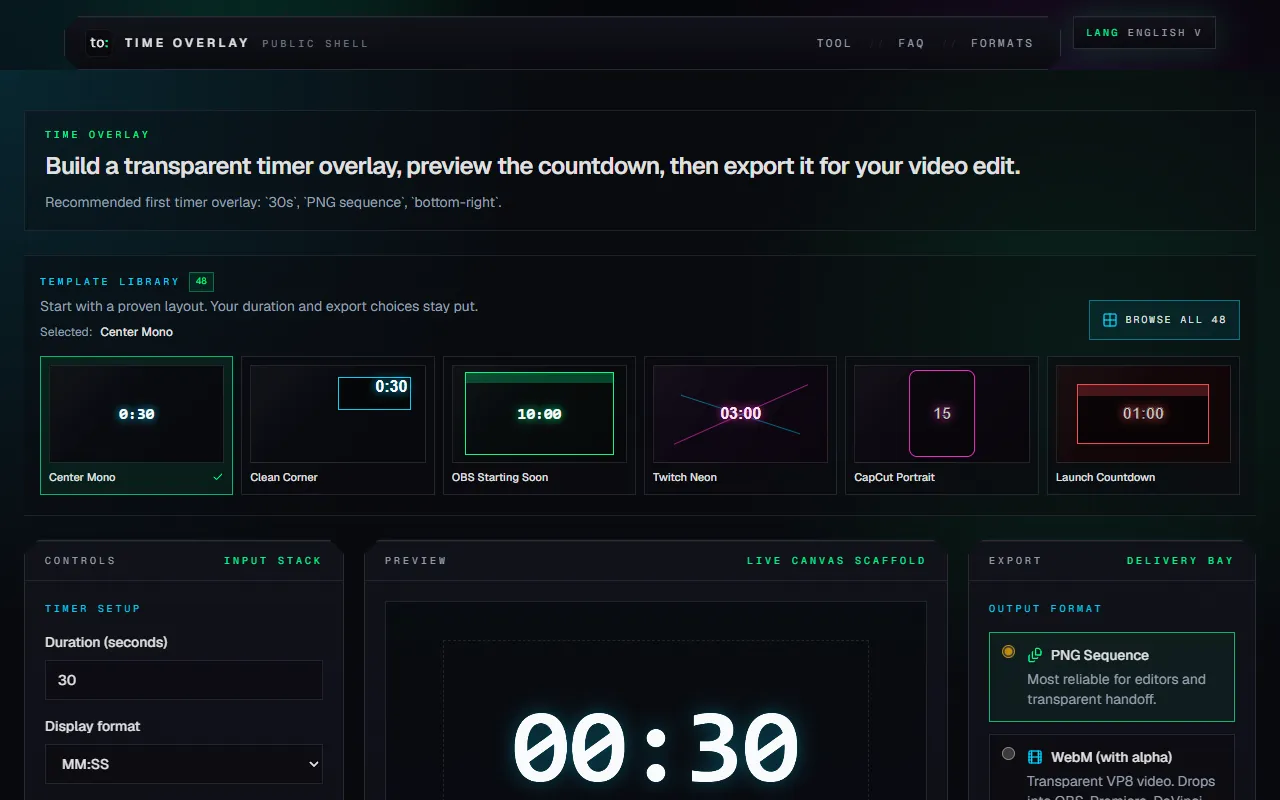
Time Overlay
AI Image GenerationGenerate transparent countdown timer overlays for video editing projects with Time Overlay. This tool allows users to customize duration, style, and position before exporting in formats like PNG or WebM. It’s available for free, making it accessible for content creators and editors.
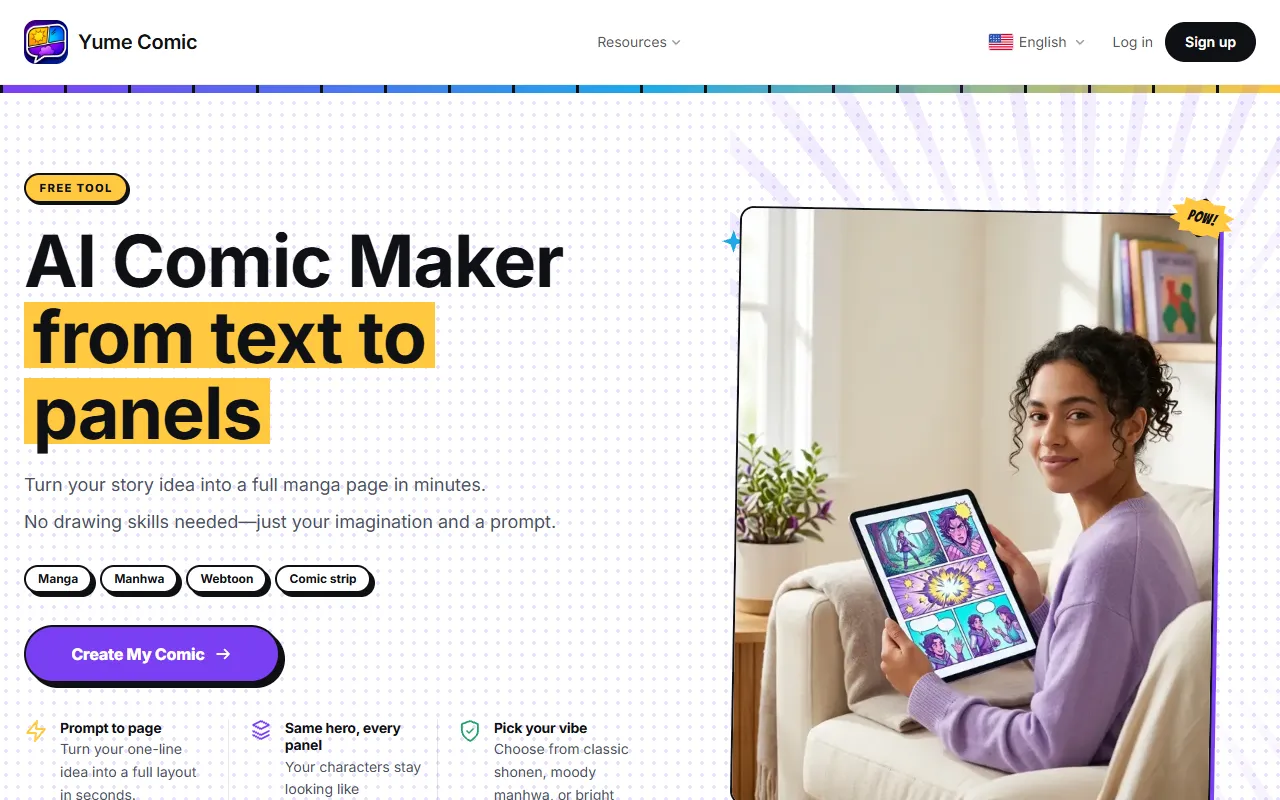
Yume Comic
AI Image GenerationCreate manga, webtoons, and cartoon panels from text or images in just seconds. Ideal for storytellers without drawing skills, Yume Comic enables users to bring their ideas to life with a free tier and optional paid upgrades.
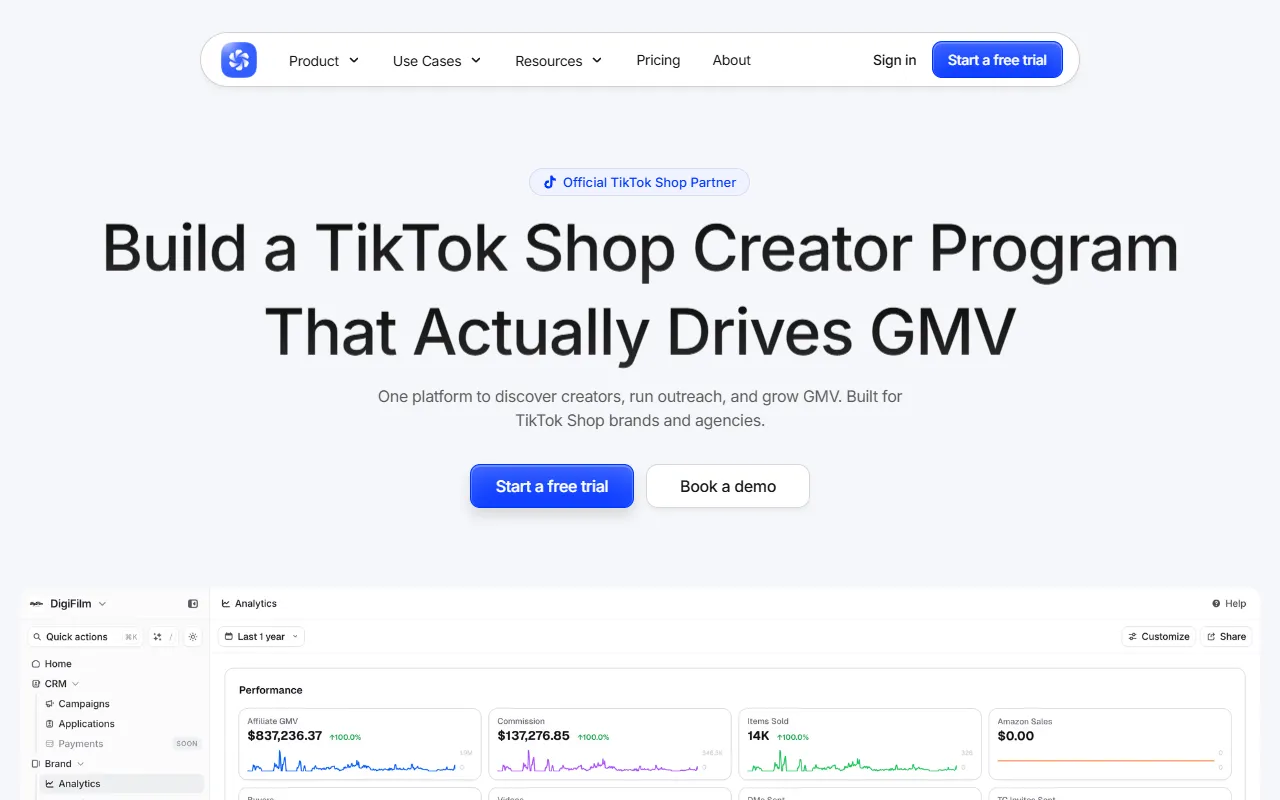
Hubfluence
AI MarketingAutomates outreach and management for TikTok Shop brands and agencies by connecting them with creators to drive sales. Users can access a database of over 4 million creators to find the best partnerships. Free to start with options for paid upgrades.
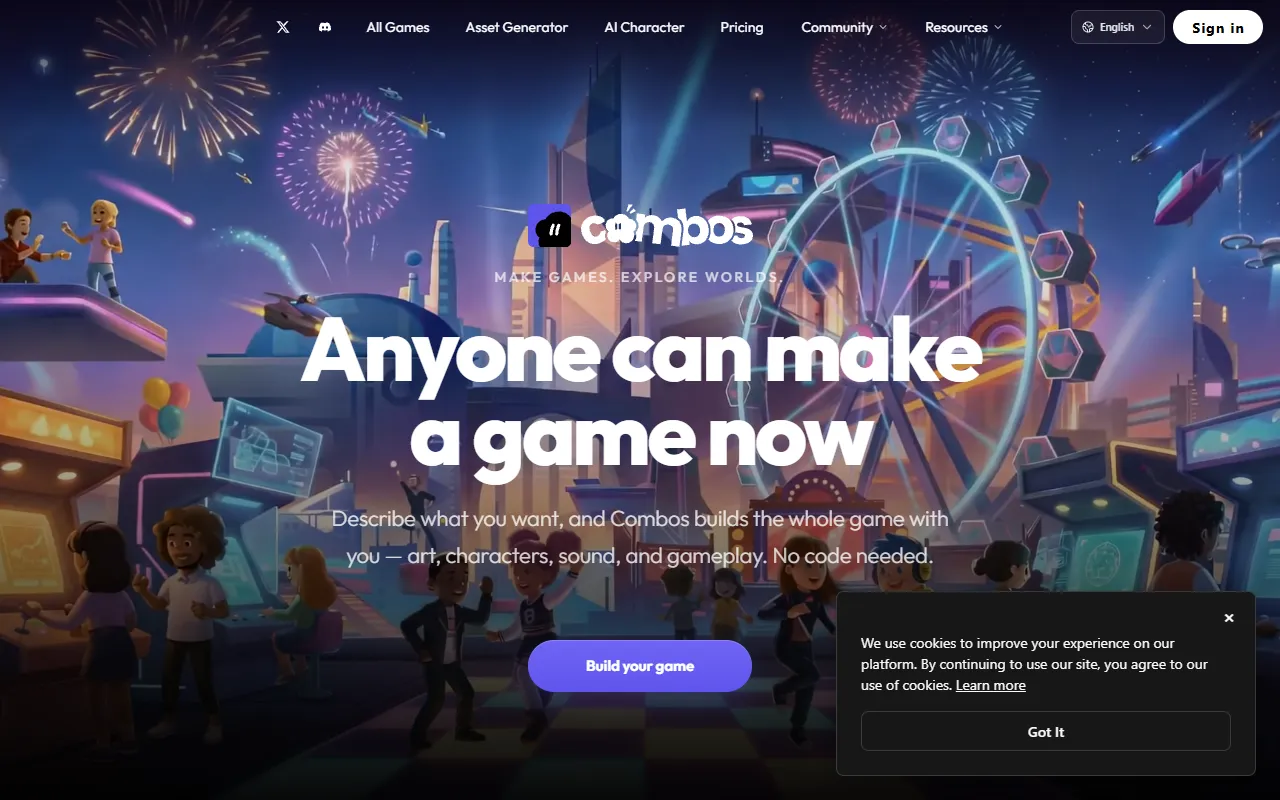
Combos AI: Turn Text into Gmae with AI Free Online – No coding & No Sign-up
AI ProductivityTurn text into games effortlessly with Combos, an AI-driven platform for game development. Designed for creators of all skill levels, it requires no coding or sign-up, making game creation accessible and free.
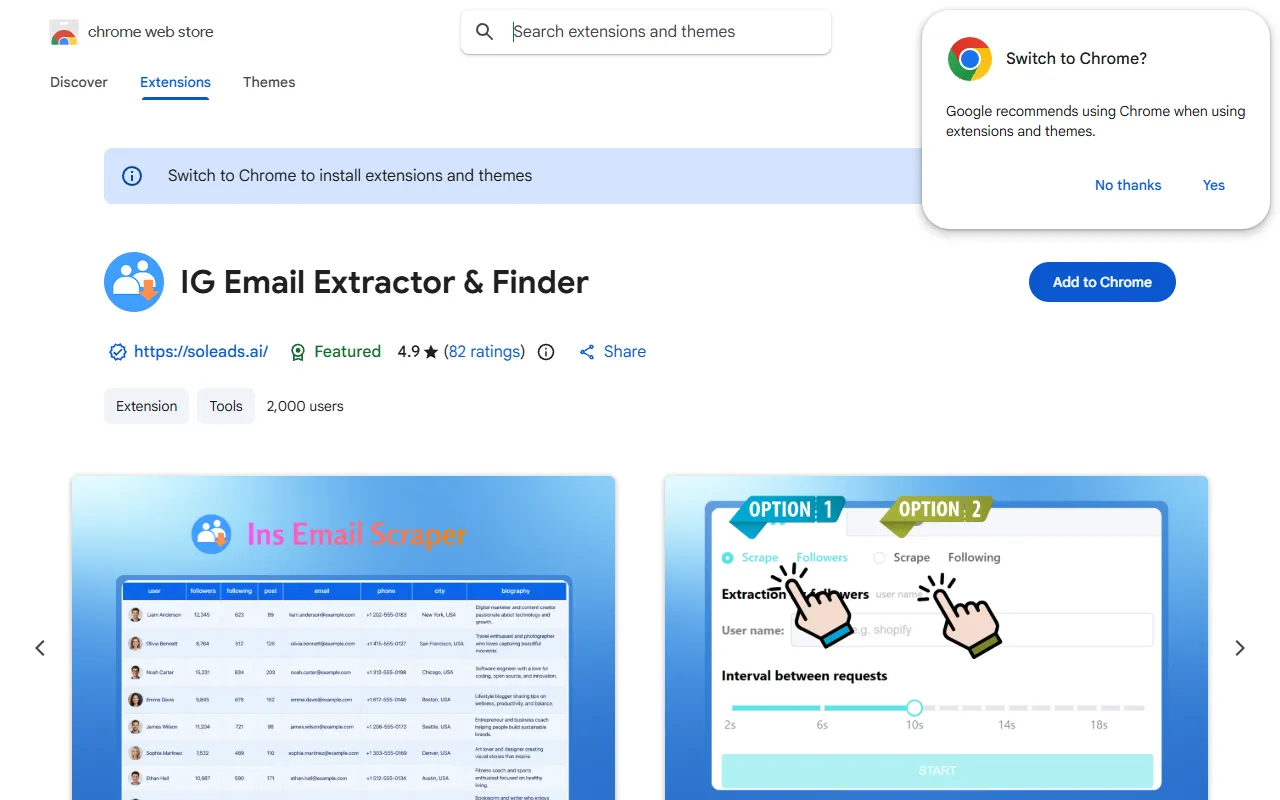
Instagram Email Scraper
AI Customer SupportExtracts emails and phone numbers from Instagram followers and those followed, exporting the data to Excel or CSV formats with a single click. Ideal for businesses looking to enhance their outreach efforts. Free to use with options for paid upgrades.
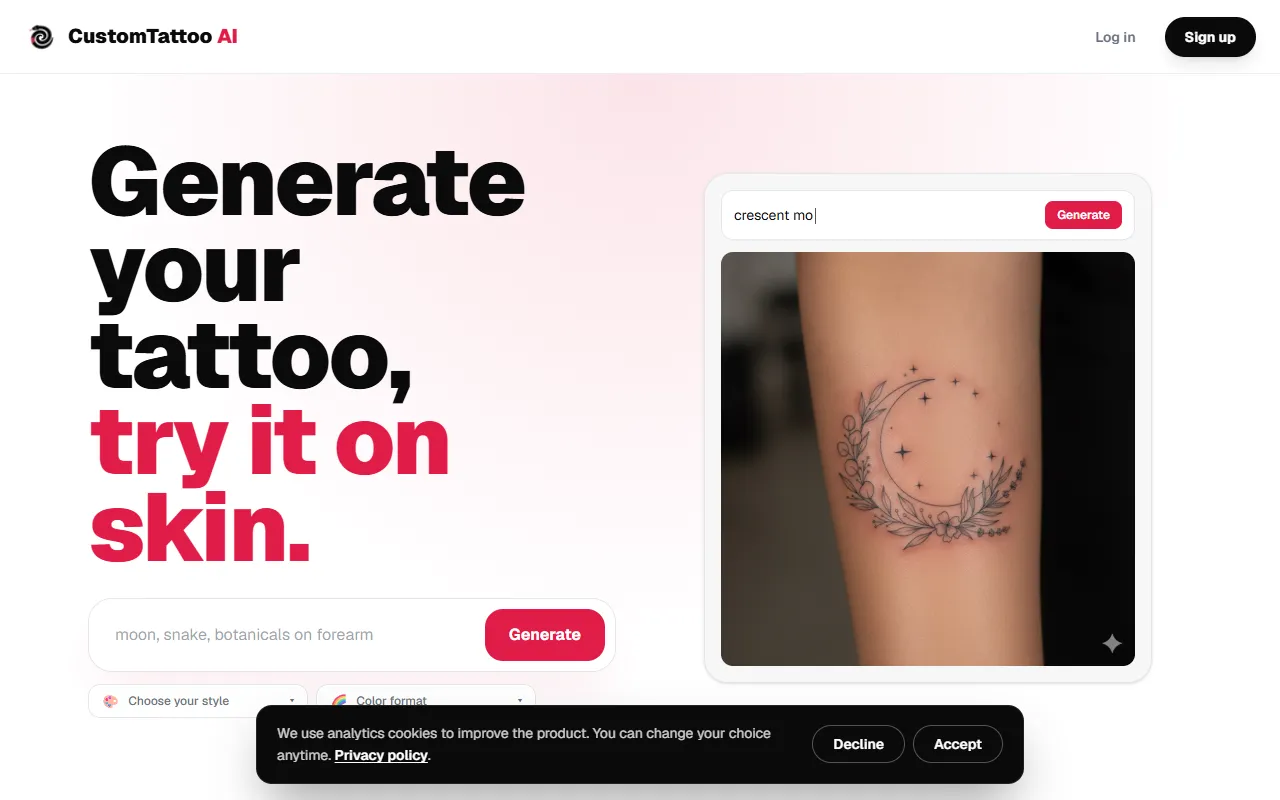
CustomTattoo AI
AI Image GenerationGenerate unique tattoo designs and visualize them on your own skin before getting inked. Ideal for anyone considering a tattoo, it offers 3 free credits to start, with additional paid upgrades available.
Get Your AI Tool
In Front of Thousands
Join hundreds of AI tools already featured on theWebrary. Get priority placement, a dedicated listing page, and reach an audience actively searching for AI tools.
1 Month
$5
$6
3 Months
$10
Save 50%
12 Months
$20
Save 75%