
ListGPT
Saves and organizes ChatGPT conversations with customizable prompts and privacy options. Ideal for users seeking to manage their chats efficiently, this service is completely free.
ListGPT — official website
Imagine you’re a content manager juggling multiple projects and conversations across different platforms. The chaos is overwhelming, and important discussions are slipping through the cracks. You need a solution to streamline your interactions and keep track of ongoing conversations efficiently. Enter ListGPT, a tool designed for those managing numerous ChatGPT interactions, offering customizable prompts and privacy options. This free service aims to organize and save conversations systematically, making it an appealing solution for anyone needing to maintain order in a sea of digital chatter.
According to ListGPT’s own marketing, one of its standout features is the ability to save and organize ChatGPT conversations with customizable prompts. This feature allows you to tailor prompts to fit the specific nature of your conversations, ensuring clarity and organization. You input your ongoing chat details, customize prompts to guide the conversation, and in return, ListGPT helps maintain an orderly archive of your interactions. This is particularly beneficial for project managers and customer service roles where tracking detailed conversations is crucial to success.
Key Features
- Customizable Prompts — Tailor your prompts to fit specific conversation needs, helping maintain clarity and relevance.
- Conversation Organization — Organizes and saves your ChatGPT interactions systematically for easy retrieval.
- Privacy Options — Offers features to protect the confidentiality of your conversations, crucial for sensitive discussions.
Pros & Cons
- ✓ Completely free service, making it accessible to everyone without a financial commitment
- ✓ Customizable prompts allow for tailored interaction management
- ✓ Privacy options provide a layer of security for sensitive conversations
- ✗ Limited to organizing ChatGPT conversations, may not integrate with other chat tools
- ✗ The website doesn’t specify integrations with other tools or platforms
If you’re a user who frequently interacts with multiple chat platforms, ListGPT might not be the best fit. This tool specifically focuses on organizing ChatGPT conversations, so if your workflow involves other communication tools like Slack or Microsoft Teams, you’ll likely find ListGPT’s scope limiting. The lack of integration with other popular platforms can be frustrating for users who manage diverse communication channels and need a more holistic solution.
For users considering alternatives, tools like “Notion” offer more comprehensive organizational features, including integration with various third-party apps. Notion might be preferable for those who require a more unified workspace beyond just ChatGPT conversation management. However, if your primary need is organizing and managing ChatGPT dialogs, ListGPT’s free service is a straightforward, cost-effective choice that excels in what it specifically offers.
Best For
ListGPT is ideal for solo professionals and small teams who rely heavily on ChatGPT for communication and require an efficient way to save and organize those conversations. Its free pricing model makes it particularly attractive for budget-conscious users who don’t need advanced integrations or features beyond ChatGPT.
ListGPT is a practical tool for individuals or teams seeking a no-cost solution to keep their ChatGPT conversations organized. If your primary communication tool is ChatGPT, and you need a way to save and manage those interactions efficiently, ListGPT is worth trying. It’s particularly beneficial for those focusing on cost-effective organizational solutions.
This review is based on publicly available information from the tool's official website and is written independently by the theWebrary editorial team. We do not accept payment for review content.
Share
Tool Overview
Latest Featured


Browse More Tools
View all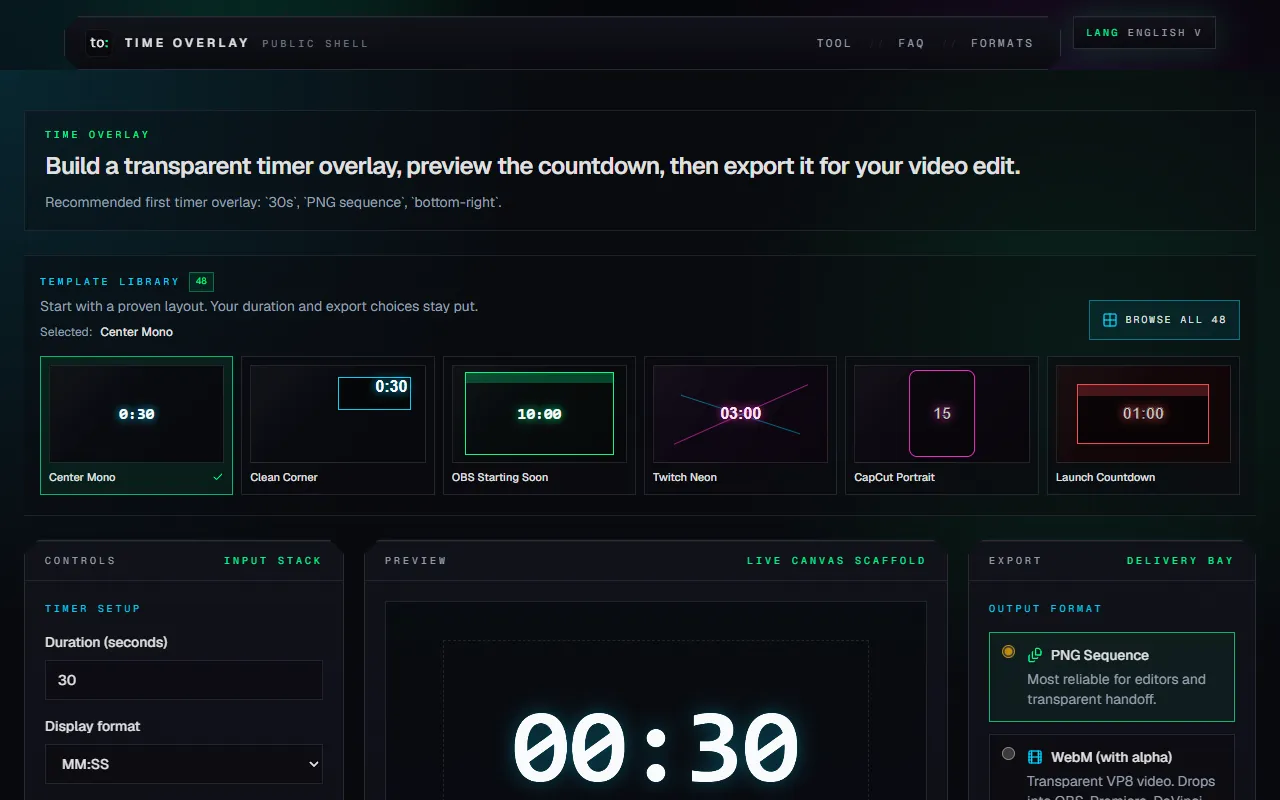
Time Overlay
AI Image GenerationGenerate transparent countdown timer overlays for video editing projects with Time Overlay. This tool allows users to customize duration, style, and position before exporting in formats like PNG or WebM. It’s available for free, making it accessible for content creators and editors.
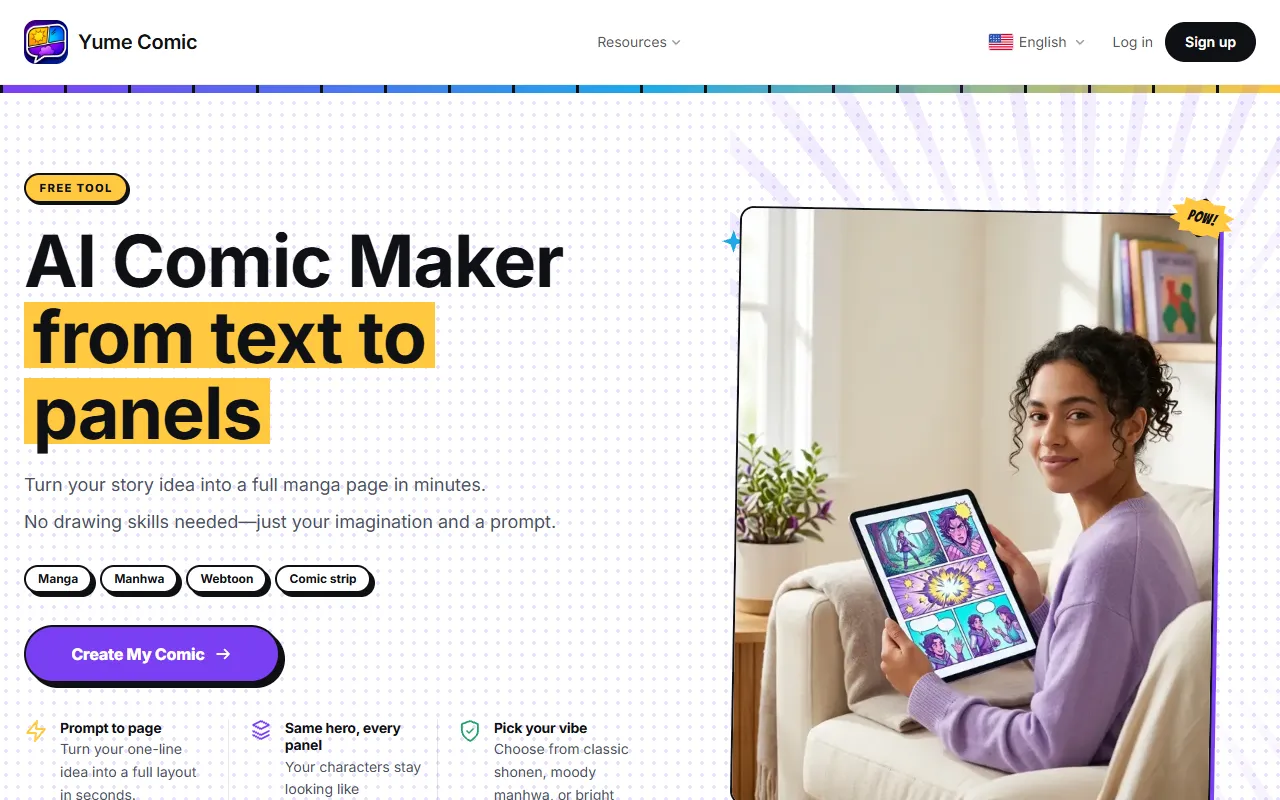
Yume Comic
AI Image GenerationCreate manga, webtoons, and cartoon panels from text or images in just seconds. Ideal for storytellers without drawing skills, Yume Comic enables users to bring their ideas to life with a free tier and optional paid upgrades.
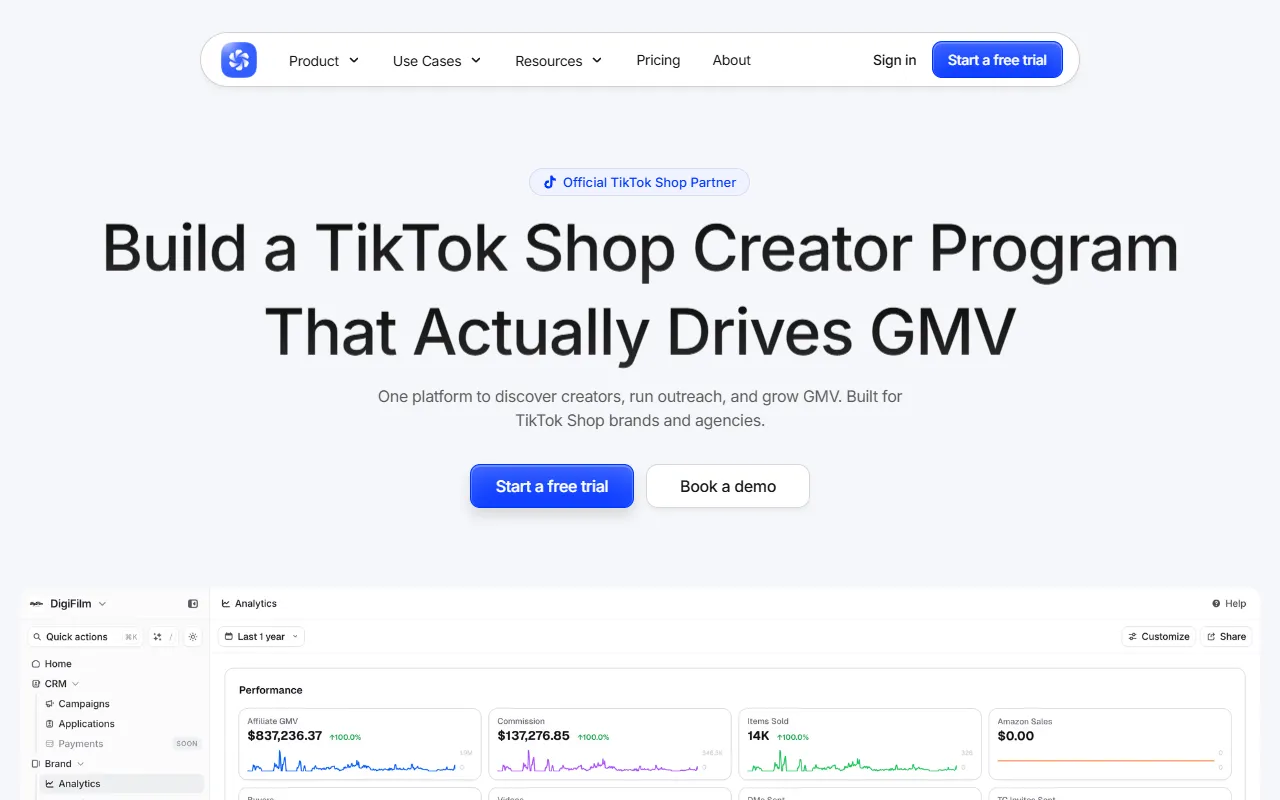
Hubfluence
AI MarketingAutomates outreach and management for TikTok Shop brands and agencies by connecting them with creators to drive sales. Users can access a database of over 4 million creators to find the best partnerships. Free to start with options for paid upgrades.
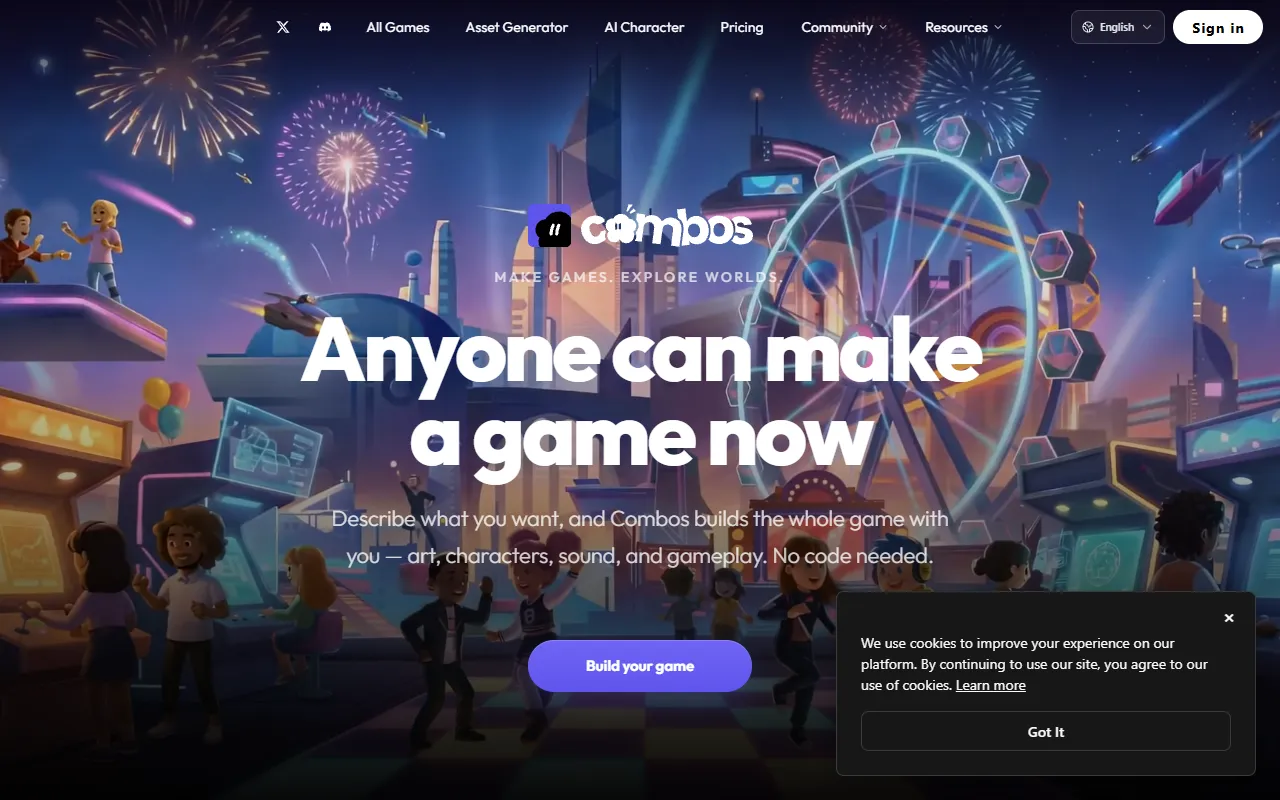
Combos AI: Turn Text into Gmae with AI Free Online – No coding & No Sign-up
AI ProductivityTurn text into games effortlessly with Combos, an AI-driven platform for game development. Designed for creators of all skill levels, it requires no coding or sign-up, making game creation accessible and free.
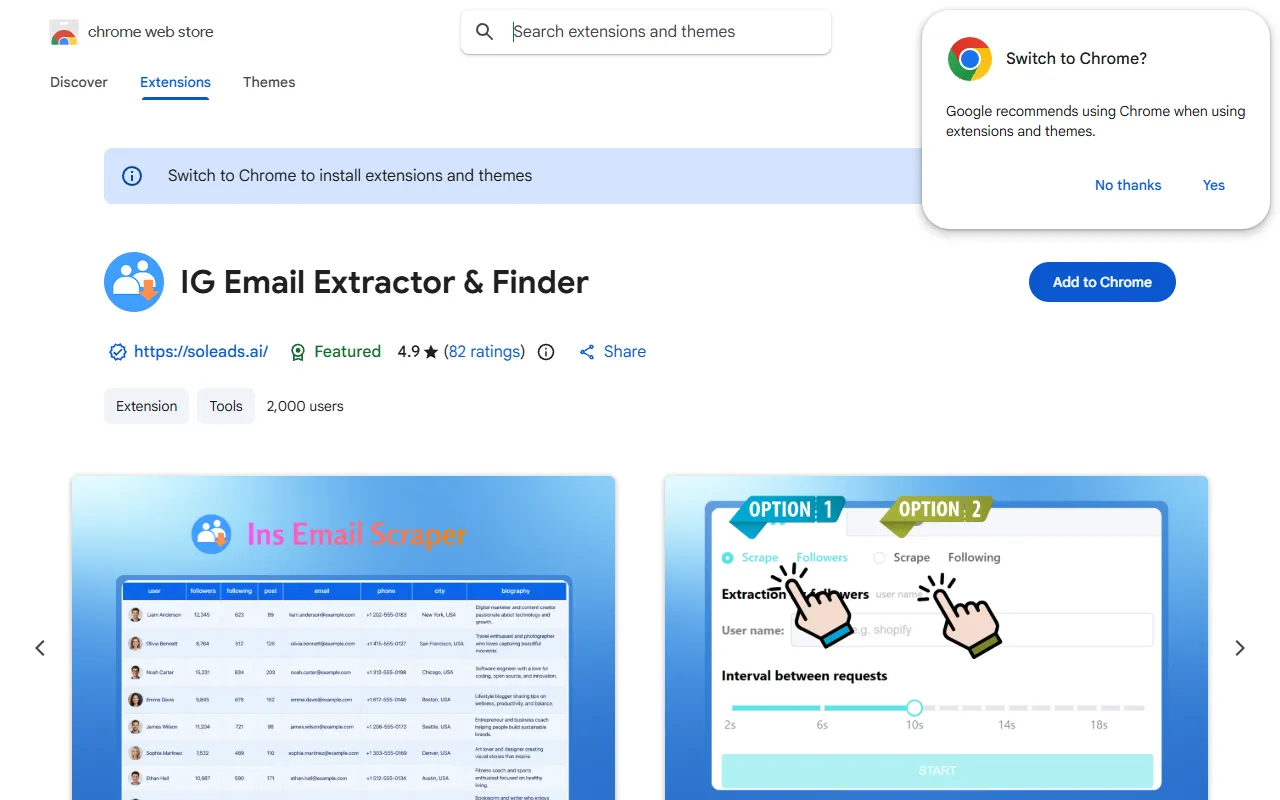
Instagram Email Scraper
AI Customer SupportExtracts emails and phone numbers from Instagram followers and those followed, exporting the data to Excel or CSV formats with a single click. Ideal for businesses looking to enhance their outreach efforts. Free to use with options for paid upgrades.

CustomTattoo AI
AI Image GenerationGenerate unique tattoo designs and visualize them on your own skin before getting inked. Ideal for anyone considering a tattoo, it offers 3 free credits to start, with additional paid upgrades available.
Get Your AI Tool
In Front of Thousands
Join hundreds of AI tools already featured on theWebrary. Get priority placement, a dedicated listing page, and reach an audience actively searching for AI tools.
1 Month
$5
$6
3 Months
$10
Save 50%
12 Months
$20
Save 75%