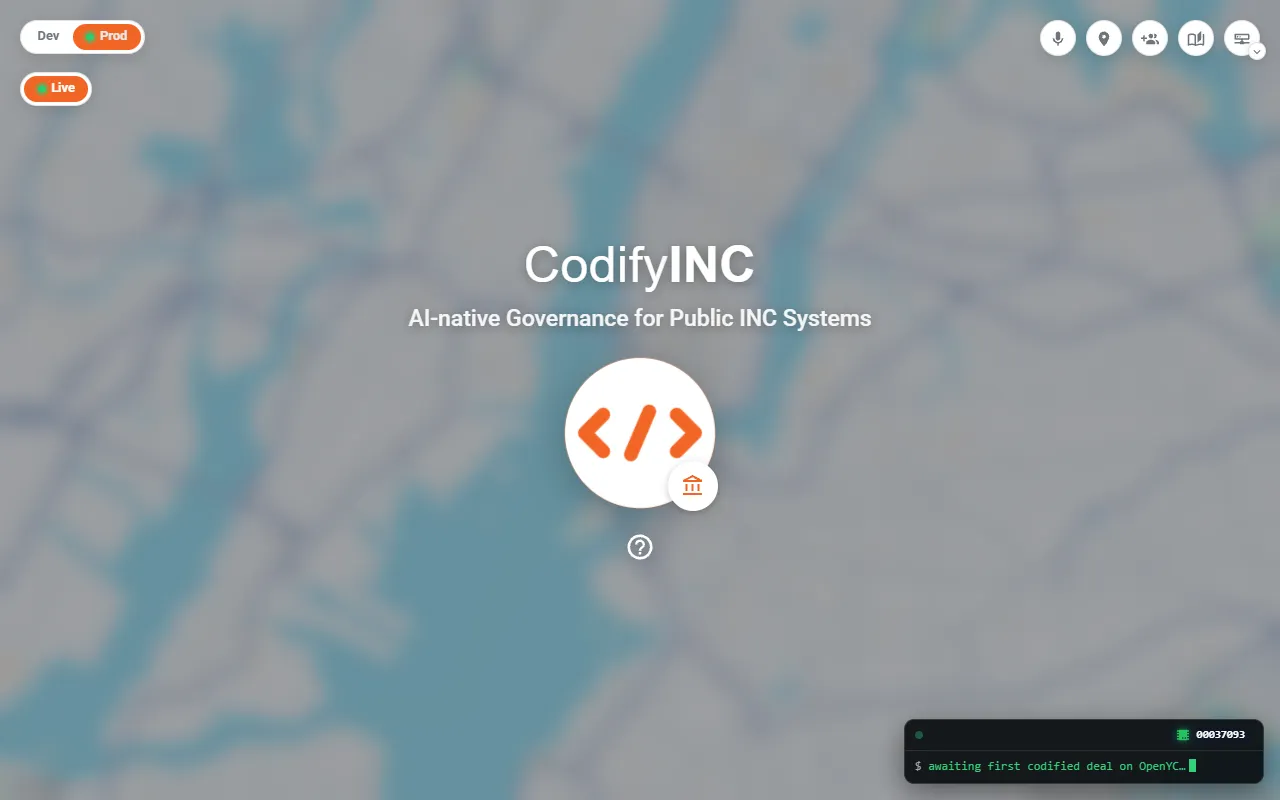
OpenYC
OpenYC facilitates democratic governance for AI-native decentralized public goods. Designed for public funding, it serves as an alternative to traditional venture capital models, emphasizing community involvement. Free to use, it aims to support diverse projects in the AI finance sector.
OpenYC — official website
Imagine you’re a project manager at a startup focused on developing AI-driven solutions that generate public digital goods. Your team is looking for a new, equitable way to manage and govern these digital public infrastructures without the complexities and biases often found in traditional systems. You need a platform that allows for fair participation, democratic governance, and is publicly funded. In this context, finding a tool like OpenYC could feel like a much-needed breakthrough.
OpenYC stands out primarily for its promise of being a democratically governed digital public infrastructure (DPI) for AI-native digital public goods (DPGs). According to the tool’s marketing, it is run as a public utility, which suggests a level of transparency and community involvement. However, specific workflows or detailed features are not described in the available content. What is clear is that OpenYC presents itself as a public alternative to traditional, more private startup accelerators, implying a focus on broader accessibility and inclusiveness.
Key Features
- Democratic Governance — Offers a platform governed democratically, which is significant for users seeking transparency and equity.
- Public Utility Model — Operates as a public utility, emphasizing its commitment to public good and accessibility.
- AI-Native Infrastructure — Focused on AI-native digital public goods, targeting users developing AI-driven projects.
Pros & Cons
- ✓ Emphasizes democratic governance, which may appeal to users focused on transparency.
- ✓ Operated as a public utility, suggesting accessibility and public funding.
- ✓ Aims to support AI-native digital public goods, aligning with modern technological trends.
- ✗ The website doesn’t specify any detailed features or workflows, which can be limiting.
- ✗ Lacks user feedback and reviews, making it difficult to gauge user satisfaction.
A potential limitation of OpenYC is the lack of detailed feature descriptions and workflows, which might frustrate users who need concrete capabilities to evaluate its fit for their specific needs. Developers or project managers looking for specific tools or integrations may find this vagueness challenging, as it doesn’t provide the information needed to fully assess the tool’s applicability for complex AI projects.
When comparing OpenYC to other platforms like Y Combinator or Techstars, OpenYC’s unique selling point is its public utility model and democratic governance. Traditional accelerators often provide more structured, private support systems with defined equity stakes. For startups focused on AI-native public goods, OpenYC could be more appealing due to its commitment to public infrastructure and governance, while traditional accelerators might suit those looking for a more private, investor-driven ecosystem.
Best For
OpenYC is best suited for startups and organizations focused on developing AI-native digital public goods that prioritize transparency and democratic governance. Its public utility model makes it an excellent option for small teams or individual founders who are looking for a community-driven alternative to traditional startup accelerators.
OpenYC is an intriguing choice for those interested in a democratically governed platform for AI-native digital public goods. While it lacks detailed feature specifications, its emphasis on public utility and democratic governance may appeal to those prioritizing transparency and community involvement. OpenYC is recommended for users aligned with these values and focused on public digital goods.
This review is based on publicly available information from the tool's official website and is written independently by the theWebrary editorial team. We do not accept payment for review content.
Share
Screenshots


Tool Overview
More in AI Finance
Latest Featured


Browse More Tools
View all
Planpoint
AI ProductivityCreate interactive stacking plans for real estate properties with Planpoint. Designed for property owners and managers, it offers a user-friendly interface tailored to various sectors. Access is free, making it an accessible choice for all users.

Pawjojo
AI ResearchLog meals, medications, weight, and symptoms for pets with ease, generating trends and vet-ready reports. Designed for dog and cat owners, Pawjojo features an extensive database of over 7,377 pet foods. Free to use with optional paid upgrades.

lora ai Anime LoRA Training
AI Image GenerationGenerate high-quality images and train custom Anime LoRA models for consistent character and manga styles. Designed for creators without design skills, the platform offers 5 free credits to start, with additional paid upgrades available.
mainaro
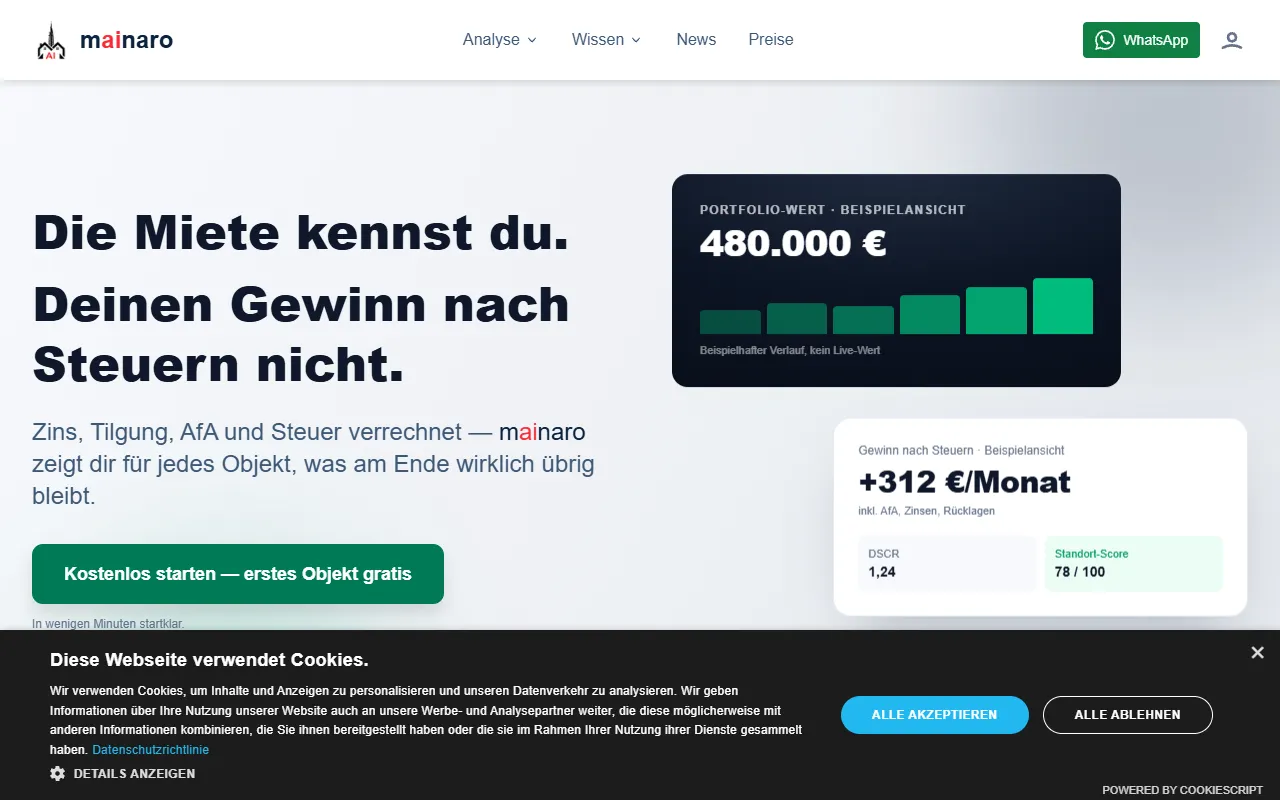
AI MarketingVisualizes real estate profits after taxes, allowing users to analyze cash flow and exit simulations for their portfolios. Offers a free location analysis for all 16 federal states, with the first property analysis available at no charge.

AI House Plan
AI Image GenerationGenerate detailed floor plans for houses, rooms, offices, and restaurants using prompts or sketches. Ideal for designers and homeowners seeking quick, editable layouts, with free access and optional paid upgrades for enhanced features.

GenImagePro
AI Image GenerationTransform photos into unique AI-generated visuals, styles, and scenes with GenImagePro’s image-to-image functionality. Ideal for artists, marketers, and anyone needing creative variations, it offers free access with optional paid upgrades.
Get Your AI Tool
In Front of Thousands
Join hundreds of AI tools already featured on theWebrary. Get priority placement, a dedicated listing page, and reach an audience actively searching for AI tools.
1 Month
$5
$6
3 Months
$10
Save 50%
12 Months
$20
Save 75%